 CoPilot
Back to Blog discuss
 devchallenge
 mlhacks
 discuss
 gemma
gemma ai
ai ai
ai
Why you still need a Website Portfolio, even though everyone can Vibe Code it.
FrancisTRᴅᴇᴠ October 5, 2026
0 views
If you have been following me for a long time, you already know that I have been holding off on my...
If you have been following me for a long time, you already know that I have been holding off on my Portfolio review for several months.

Before you ask, yes, I will finally show my portfolio website. First, I want to write about something we all may have been thinking about at some point.
Everyone needs a developer portfolio. It's one of the big ways to stand out in the tech market because it shows your work and experience to recruiters in a friendly UI format. Some may say it's a great alternative to review a candidate's work (Source: Trust me bro).

However, in the age of AI, it seems that it's almost impossible to create a portfolio that stands out. Why is that the case?
AI Can do...anything?
We all (probably) have tried using AI at some point and even still use AI in our daily lives. Whether how much you have used it, you probably already know its capabilities.
AI is trained so well that it can potentially one-shot a website portfolio. Even better, if the person decides, it can add features and other stuff to make the website look like it was built in months (even though it was built in minutes). We even got to the point where Claude was able to merge two games into one in a matter of a few weeks!
{% embed https://www.youtube.com/shorts/xo3vpvbA8p8 %}
It's crazy isn't it. AI development has been rapidly growing in the last few years to the point where it is accomplishing tasks that may have taken months to do.
With that said, I thought to myself: "Why consider building a portfolio if everyone can vibe code their way into making their perfect portfolio?"
To be honest, it's a valid question. The market has been difficult because everyone is using AI to their advantage to stand out from the market. I have seen a lot of Website Portfolios and Resumes that have been assisted with AI. As a result, the bar has never been higher.
However, I still believe having a portfolio still matters, even in this age where it seems impossible. Here's my reasoning.
AI Portfolios may look different, but they are the same.
What do I mean by this? I am talking about "style".
If you try to vibe code a portfolio, people can tell that the portfolio is vibe coded. Sure, it's not the EXACT replica compare to 100 portfolios out there, but you can easily tell by seeing some UI features that are defaulted if you vaguely prompt it.
A small example is this:

I have reviewed a lot of portfolios that has this (or something similar). Sure this may be a coincidence, but I want you to try to vibe code a sample website portfolio. Most of the time, they will add this feature.
This matters because if you think about it, a lot of portfolios out there are simply the same, even though it may not look like it. You have to have good "attention to detail" to see this for sure. However, at this point, coming from a person who has reviewed candidates before, it tends to be really repetitive. Hence, making it harder in the hiring process since everyone is doing the same thing and more research needs to be accounted for.

This leads to the next point.
"New Mask, Same Task"
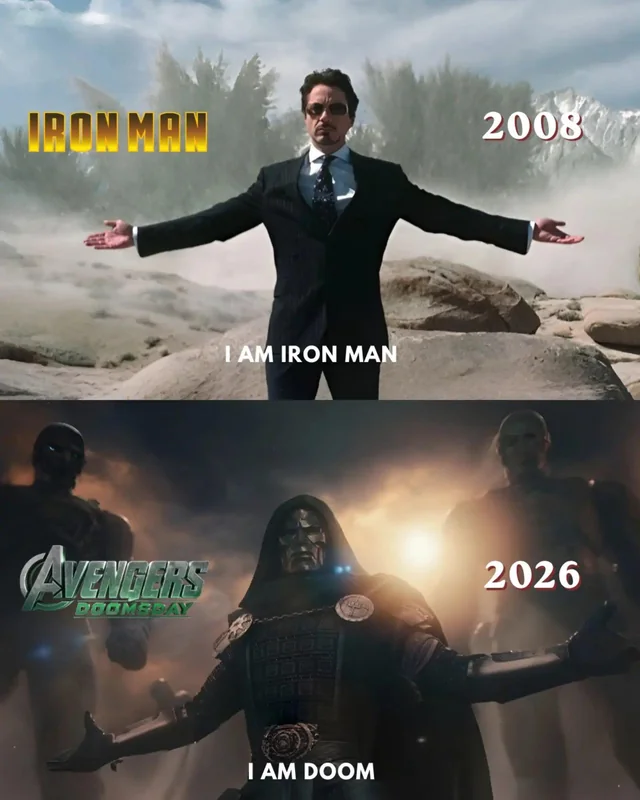
Yes, I took this straight up from RDJ. Though the whole point is that even though he plays a different character, he is still RDJ.
What does this mean in this context? Just because you have pretty portfolio, it does not mean your work reflects that. You can create many different portfolios under your name. At the end of the day, it's still you that needs to improve and not the portfolio.
Portfolio is used as a presentation. If you are presenting your portfolio and it looks good, I would assume you have a lot of work experience and projects that are noticeable based on your portfolio design and how you are selling yourself.
For example, you have a front-end developer portfolio, but if I were to investigate further into your GitHub, I may see the following things:
- You just joined as of this year on GitHub.
- You claimed you did Open-Source, but there is no PR that reflects that.
- Your Portfolio has good UI, your project doesn't.
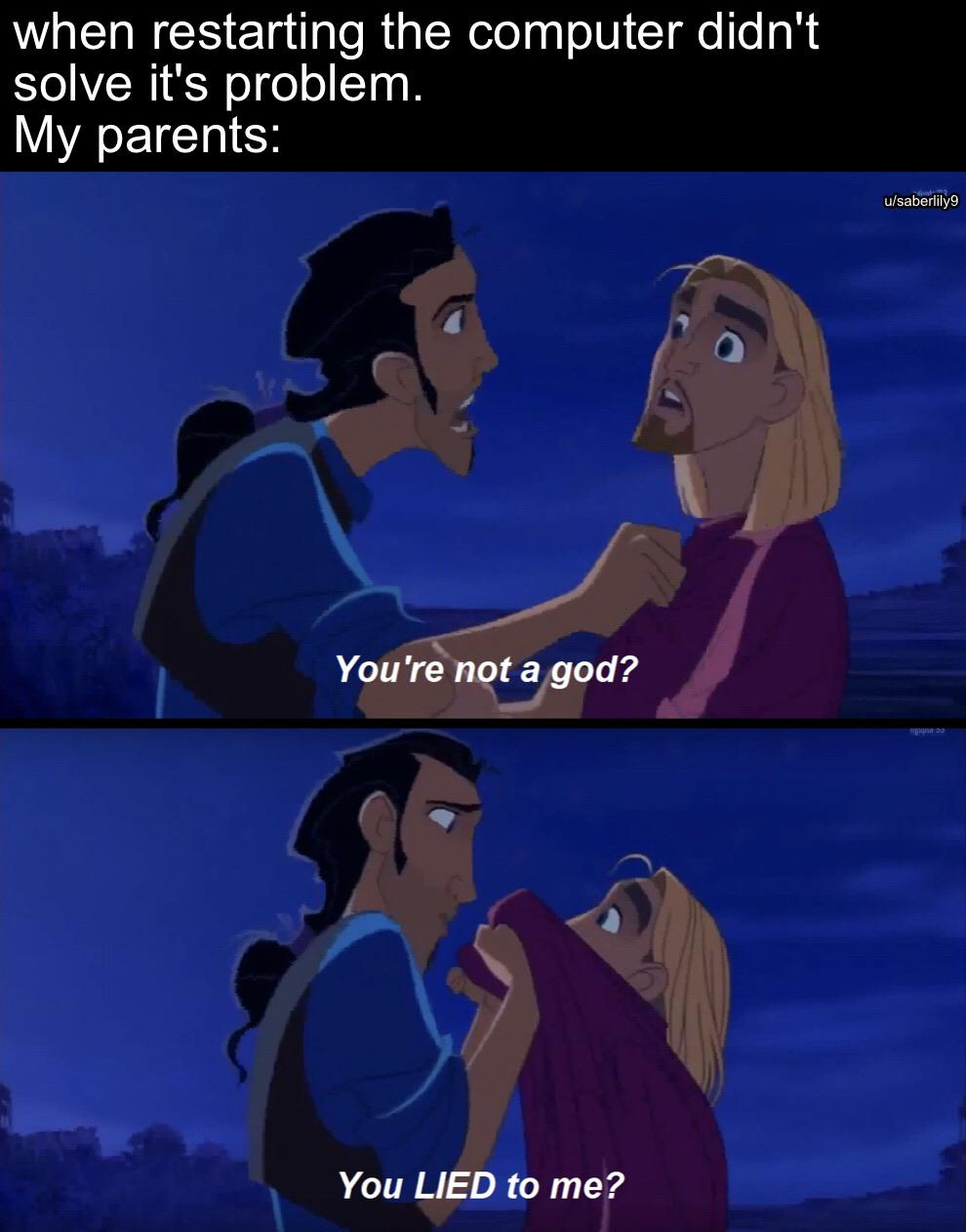
I can list a lot of things, but the main point is that if you have a good portfolio with a good list of projects you have done, you better hope that your projects and work reflects on how you built this portfolio. This is ESPECIALLY true if you tried to become a front-end developer. If your UI is good, you better hope your projects reflects that.
It's something to keep in mind when building your portfolio. Of course, if you are applying for a back-end developer role, having a good UI on your website portfolio isn't really required, but it's a nice to have. The whole point is to not misrepresent yourself. Be careful on what you add on your portfolio. Always assume people will have questions on your work.
Those are the two main things. Though you may be asking "How do I make my portfolio stand out"?
Here are some key things that you can do (and yes, I am now showing my portfolio lol).
1. Start with a basic portfolio template, then use AI to add onto it.
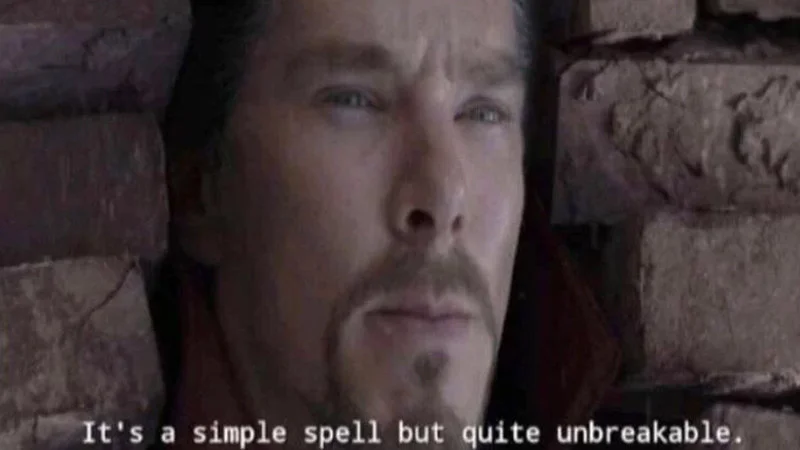
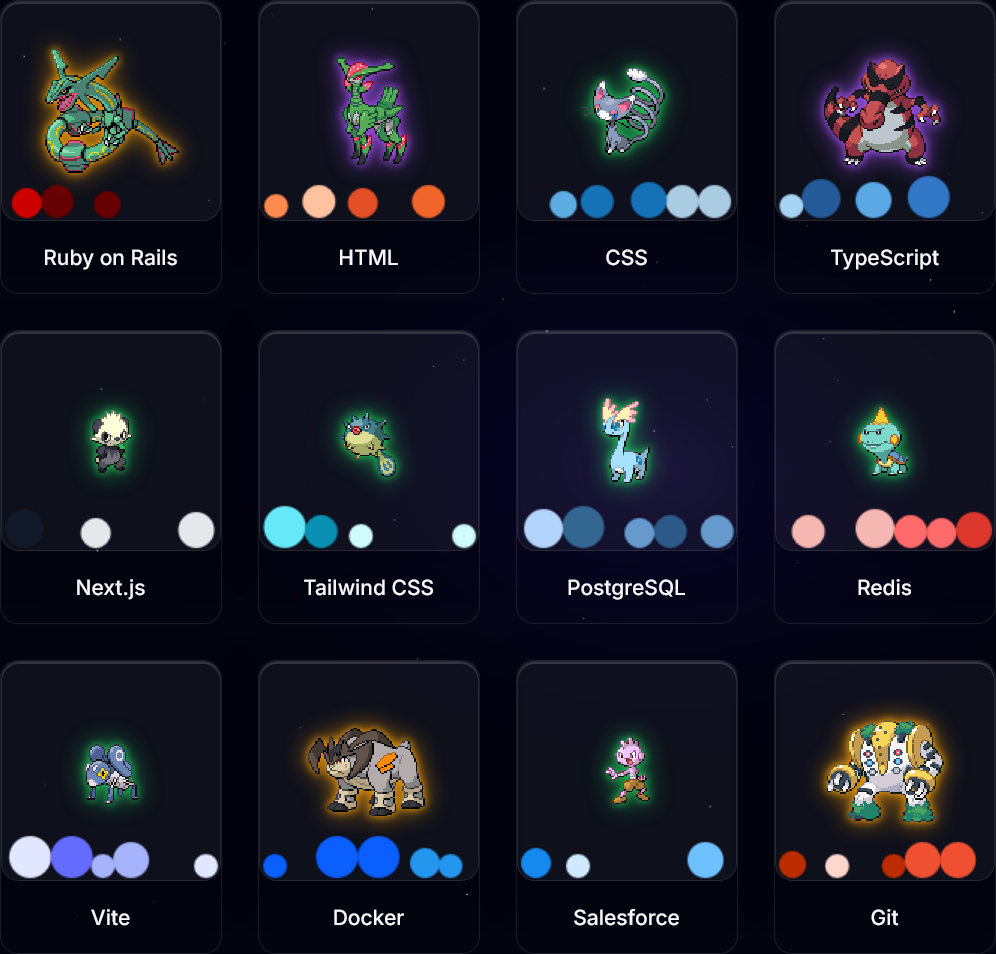
For my case, I have used an existing portfolio from "brittanychiang.com and meikopoulos.com". From there, I grab existing features using AI and put them together into a portfolio I am proud of. Additionally, I added some new features that are not distracting, but is something I want to add onto my portfolio to make it unique to me:
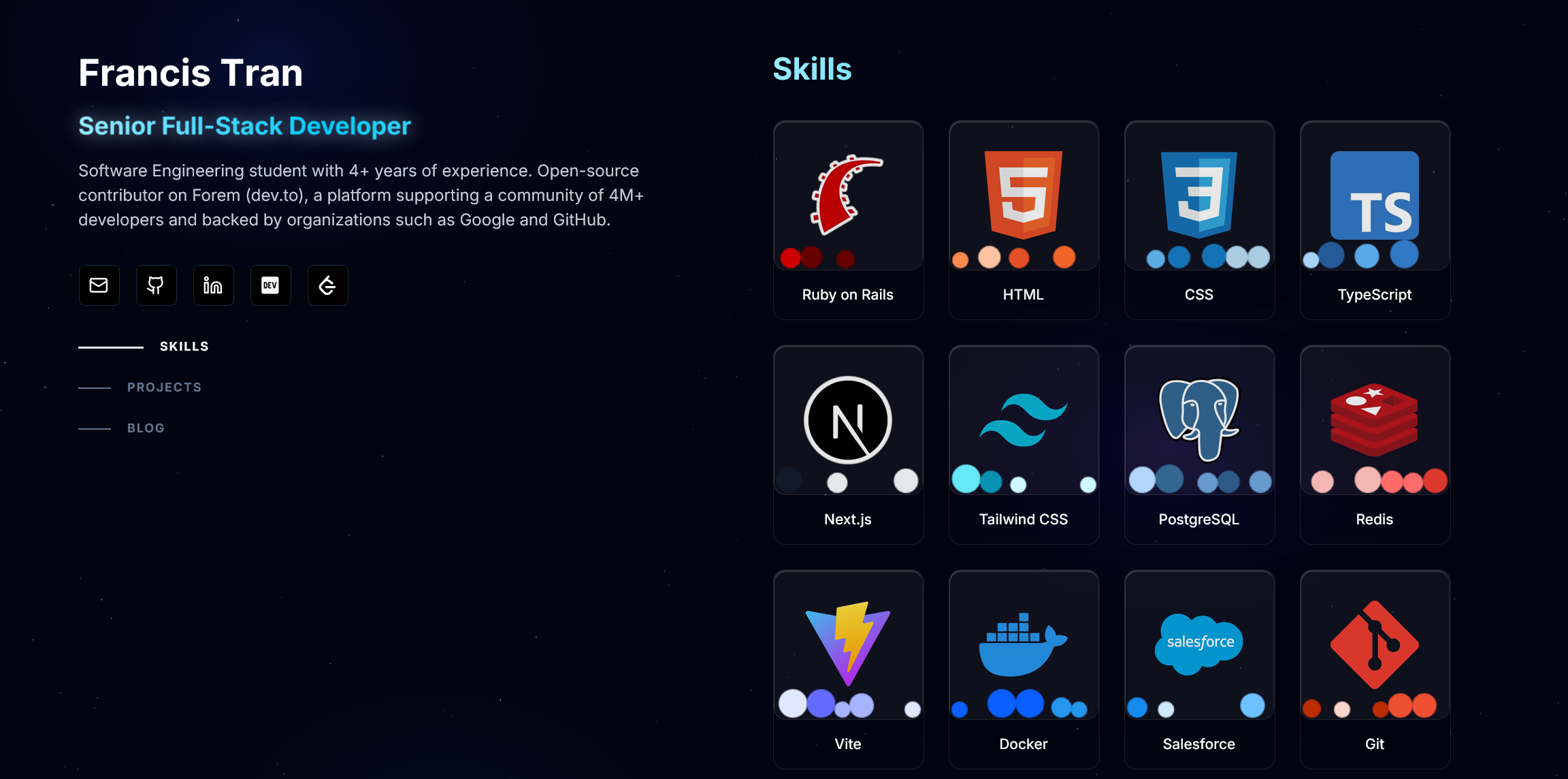
Instead of building it from scratch, I encourage you to find a portfolio that already exists (Bonus points: Proven that it stands out in the tech market) and build it on top of it. This allows the portfolio to be unique and that reflects you. Additionally, building on to of a template is a good starting point because it already has the fundamentals on what makes a portfolio "good". In this case, I added a feature where the "Skills" section reveals Pokemon in each Skill Card, though I am not sharing how it works. Can you find the Easter egg that does that?
2. Usability and Accessibility!

This is the most OVERLOOK aspect of making a portfolio. Even though you can make your portfolio look nice, it's most likely that it's not accessible.
For example, it can be very laggy on low-end devices, not responsive on mobile, not following best practices, etc. There are a lot of things that is overlooked because we focus on building the best looking portfolio where we should be focusing on making our website portfolio optimized.
I would recommend spending time using AI to optimize your portfolio. In other words: "Boil the lake to make the portfolio, but boil the ocean for website optimization and accessibility".

For mine, I spend countless prompts where I tell the AI to make sure my portfolio is less "laggy" and being able to run on mobile.
This will allow to make a much cleaner portfolio and being able to be used by many people such as people who have disabilities, devices that are not powerful, etc.
3. Simplicity beats Complexity!
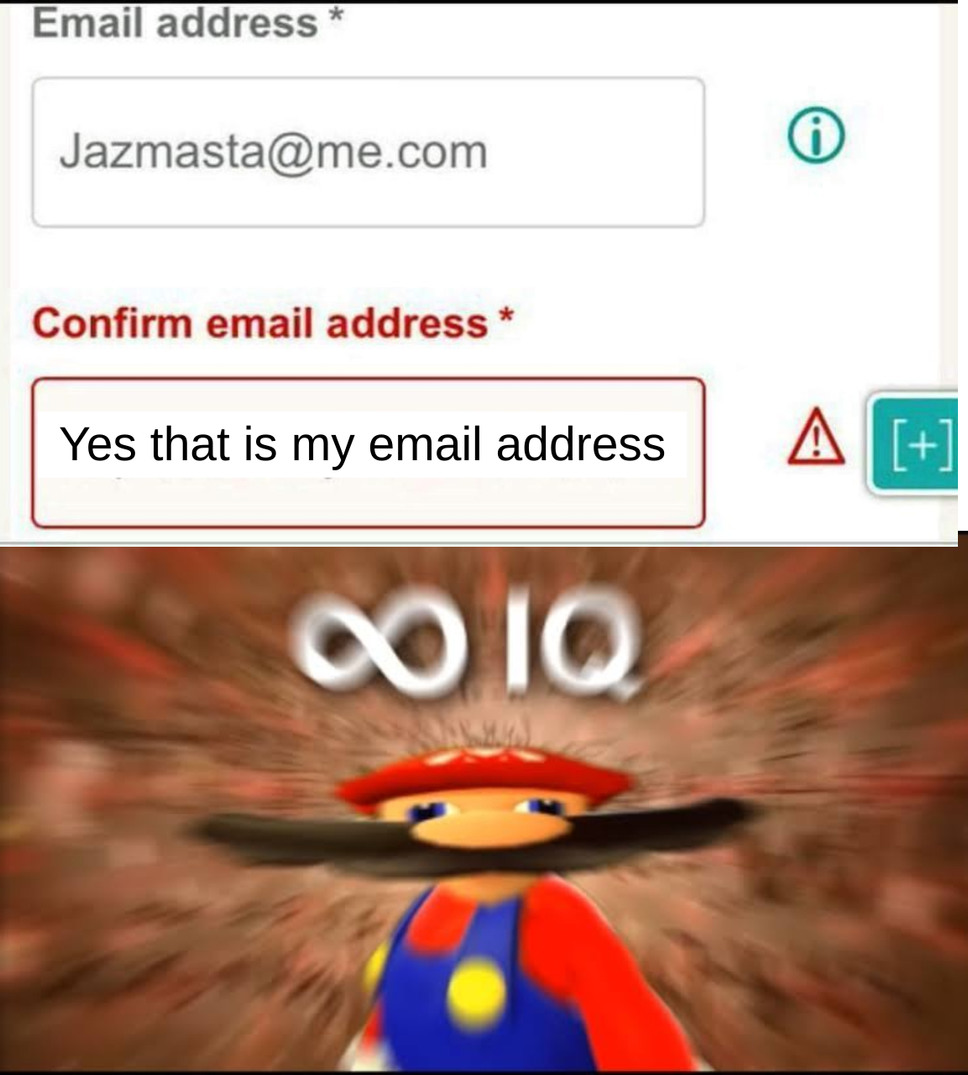
A lot of portfolios we have seen tends to be very complex where there are a lot of animations and such.
However, the more you think about it, the more you realized that you can stand out easily.

I have seen a lot of portfolios that are REALLY complex and have a lot of animations, but what people fail to realized is that: You are doing what everyone else is doing.
At the end of the day, you are not standing out, even if you THINK that you are. If I see a portfolio that is heavily designed using AI, I can guarantee that I can find the exact same person who can one-up that.
The best advice is making it simple. Yes, it's boring and yes it's common. But..that's the whole point.
I rarely see any portfolio that is simply built. Usually the ones that are simple tends to stand out because it shows a lot of information really quickly.

This is huge because recruiters tends to review portfolios and resumes in seconds. They will not have time to look over your awesome UI and animation you have Vibe Coded. The UI should be the icing on the cake, not the whole cake. The most important parts is your work and experience.
Then why design your portfolio? It makes it much easier for people to navigate your work and experience than reading your resume line-by-line of course lol. The point is not spending time making the UI look nice, but spending more time on making sure they are able to access your work and experience within a small amount of clicks.
4. Networking (AKA show your portfolio)
This is the biggest thing. SHOW YOUR PORTFOLIO.

What's the point of making a portfolio if no one is going to see it. You can share it to your family, friends, your LinkedIn connections, and even on DEV!
With that said, here is my portfolio. Give it a review and let me know what you think!
{% embed https://francistrdev.github.io/ %}
Speaking of, if you have a portfolio that has been sitting around, feel free to share your portfolio in the comments. I would love to see your portfolio and review them!
That is all! Cya :D
<img src="https://dev-to-uploads.s3.us-east-2.amazonaws.com/uploads/articles/w0hxp5u8xjkina7wzazg.gif" />Comments
More Blog
View alldevchallengeCongrats to the Hacktoberfest Weekend Challenge: Build for a Friend Winners!
We are so excited to announce the winners of the Hacktoberfest Weekend Challenge: Build for a Friend,...
J
Jem 1
mlhacksCongrats to Our First MLH x DEV Writing Challenge Winner!
We just wrapped the very first month of the MLH x DEV Writing Challenge, our new way of celebrating...
J
Jem 1
discussDev Opportunity Radar #20: $2M AI Reasoning Challenge, PayPal AI Hackathon, and Coinbase Analytics Challenge
TL;DR Welcome back to Dev Opportunity Radar. This is a weekly series where I share opportunities,...
H
Hemapriya Kanagala 1
gemmaGemma 4 From E2B to 31B on an AMD MI300X: fp8 Overtakes bf16 From 12B Up
Every Gemma 4 size from E2B to 31B served on one AMD Instinct MI300X in bf16, fp8, int8 W8A8 and int4 W4A16, on the same vLLM image. fp8 goes from 0.75x bf16 for one request at E2B to 1.23x at 31B and is faster than bf16 in every cell at 12B and 31B. The mixture-of-experts 26B sits at bf16's pace, and the 4-bit builds run at 0.14x to 0.69x at every size.
X
xbill 2
aiStuart Feldman Was Right in 1976: Why Your AI Agent Needs a Makefile, Not a 20-Step Prompt
How replacing fragile linear prompt checklists with a 50-year-old declarative build graph eliminates agent amnesia, enables seamless mid-flight session resumption, and mechanizes software engineering governance.
R
Randal L. Schwartz 2
aiI got Jev to zero mistakes. I'm still using Flash-Lite.
Jev is a brilliant decision model. Gemini Flash-Lite is the model nobody talks about, and it’s fast,...
S
Swift 2
Ready-made automations for this
Workflows from the Neura Market marketplace related to this CoPilot resource
- Automate Website Lead Management with Real-Time Slack Alerts and Email Responsesn8n · $4.99 · Related topic
- Automated Website Audit & Personalized Outreach with Lighthouse and GPT-4n8n · $24.99 · Related topic
- Automate Website Tool Analysis with Telegram, Apify, AI & Google Sheetsn8n · $14.99 · Related topic
- Generate AI-Ready XML Sitemaps from Screaming Frog Website Crawlsn8n · $14.99 · Related topic