PreprintCommunications of the ACM
ImageNet classification with deep convolutional neural networks
Alex Krizhevsky, Ilya Sutskever et al.
130k2017
0
Citations
0
Influential Citations
—
Venue
2022
Year
A pure ConvNet model, evolved from standard ResNet design, that competes well with Transformers in accuracy and scalability.
For years, Vision Transformers (ViTs) were hailed as the successors to Convolutional Neural Networks (ConvNets), claiming superior accuracy and scalability. However, ConvNeXt flips the narrative by showing that a carefully modernized ConvNet can match or even beat Transformers across image classification, object detection, and semantic segmentation. This paper matters because it decouples performance gains from the attention mechanism itself, attributing much of the success to training recipes and architectural refinements that are equally applicable to ConvNets. For AI practitioners, this means that convolutional architectures remain a powerful, efficient choice, especially when computational resources are constrained.

The authors start with a standard ResNet-50 and apply a series of modernizations, grouped into macro and micro design changes.
Training Techniques: First, they adopt the training recipe used for Transformers: 300 epochs, AdamW optimizer, data augmentation (Mixup, Cutmix, RandAugment, Random Erasing), and regularization (Stochastic Depth, Label Smoothing). This alone boosts ResNet-50 accuracy from 76.1% to 78.8%, indicating that training methodology accounts for a large part of the performance gap.
Macro Design:
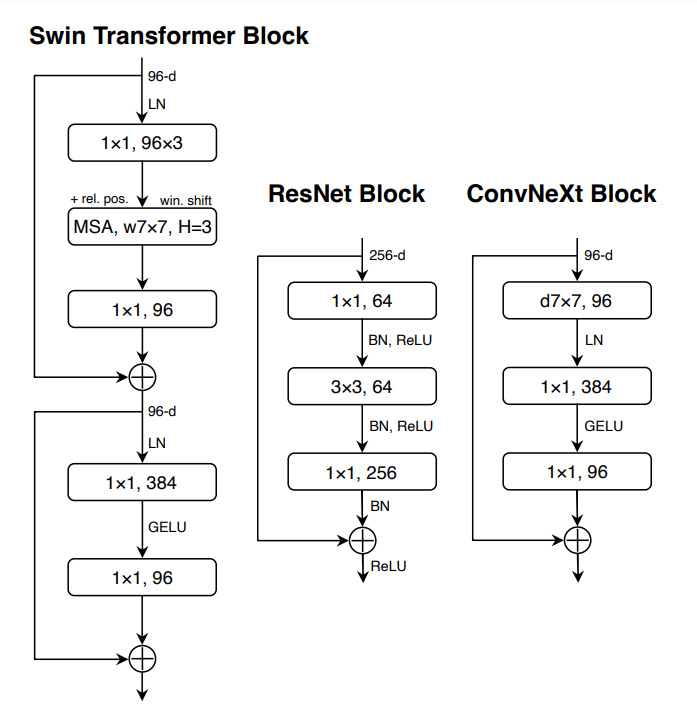
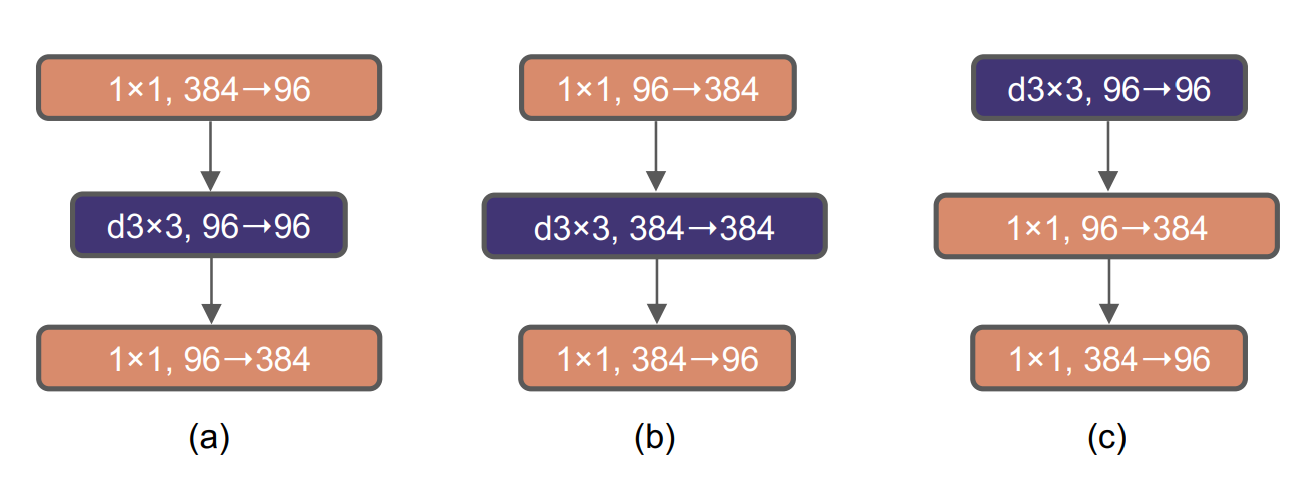
Micro Design:
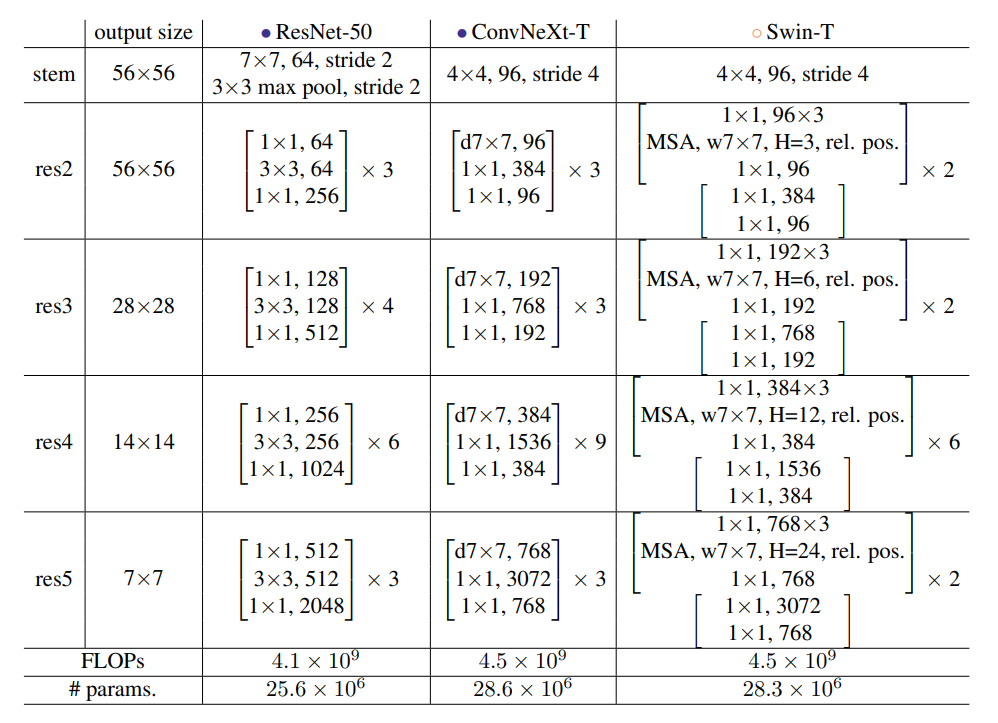
The final ConvNeXt architecture uses a hierarchical design with four stages, each containing blocks with depthwise conv, LN, GELU, and inverted bottlenecks.
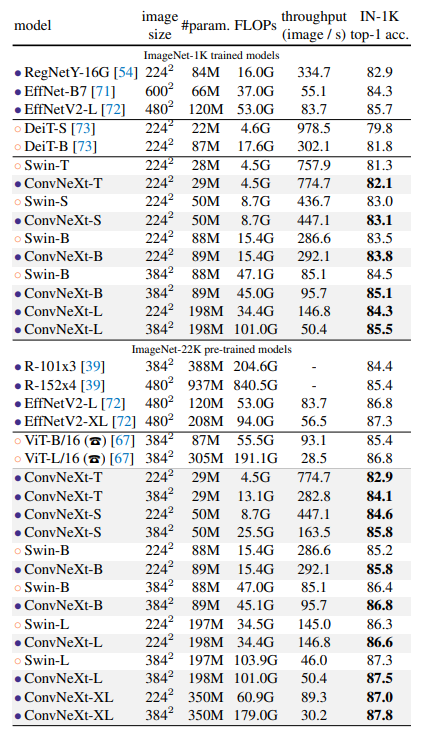
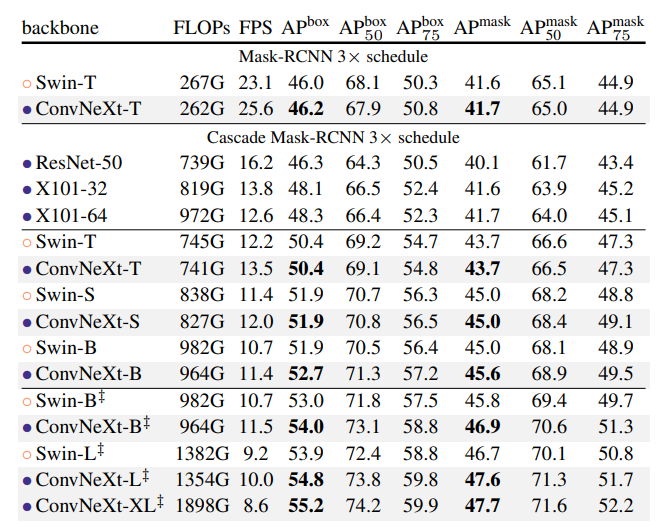
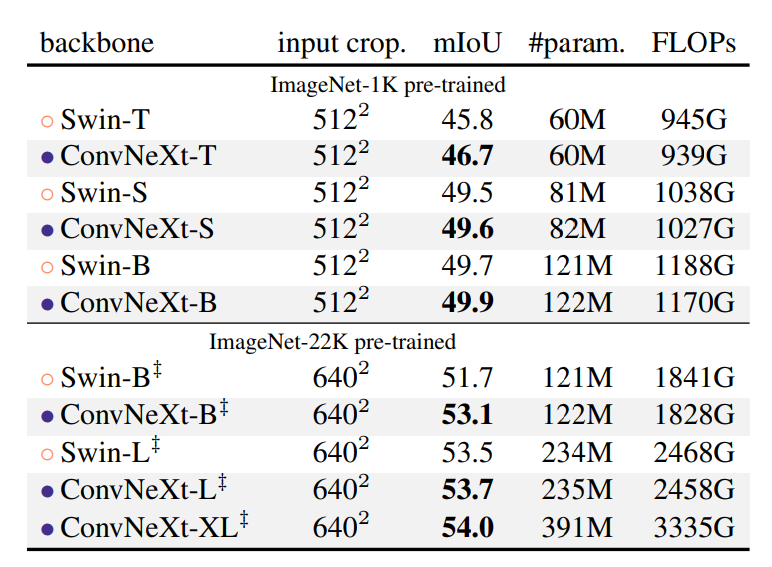
ConvNeXt challenges the prevailing assumption that attention mechanisms are necessary for state-of-the-art vision performance. By systematically modernizing a classic ConvNet, the authors show that convolutional architectures can be just as effective and scalable as Transformers. For practitioners, this means that ConvNets remain a viable option, especially when hardware constraints or latency requirements favor their efficiency. The paper also provides a clear blueprint for future architectural innovations, emphasizing that training recipes and careful design choices often matter more than the underlying paradigm. ConvNeXt has already influenced subsequent work, such as ConvNeXt V2 and other hybrid models, cementing its place as a landmark in computer vision.
Alex Krizhevsky, Ilya Sutskever et al.
Ashish Vaswani, Noam Shazeer et al.
Douglas M. Bates, Martin Mächler et al.
Diederik P. Kingma, Jimmy Ba