PreprintCommunications of the ACM
ImageNet classification with deep convolutional neural networks
Alex Krizhevsky, Ilya Sutskever et al.
130k2017
421
Citations
35
Influential Citations
arXiv.org
Venue
2024
Year
A persona-driven method for creating diverse synthetic data using LLMs, introducing Persona Hub, a collection of 1 billion automatically curated personas from web data. These personas act as diverse knowledge carriers, enabling the LLM to generate varied synthetic data (e.g., math problems, text, game NPCs) at scale.
Large language models (LLMs) thrive on diverse, high-quality data, but collecting such data at scale is expensive and time-consuming. Synthetic data generation offers a promising alternative, yet existing methods often produce repetitive or narrow outputs. The Persona Hub paper tackles this by introducing a persona-driven approach that uses a massive collection of 1 billion personas to inject diversity into synthetic data. This is significant because it provides a systematic way to generate varied data across many domains, potentially reducing the need for manual curation and improving LLM performance on downstream tasks.
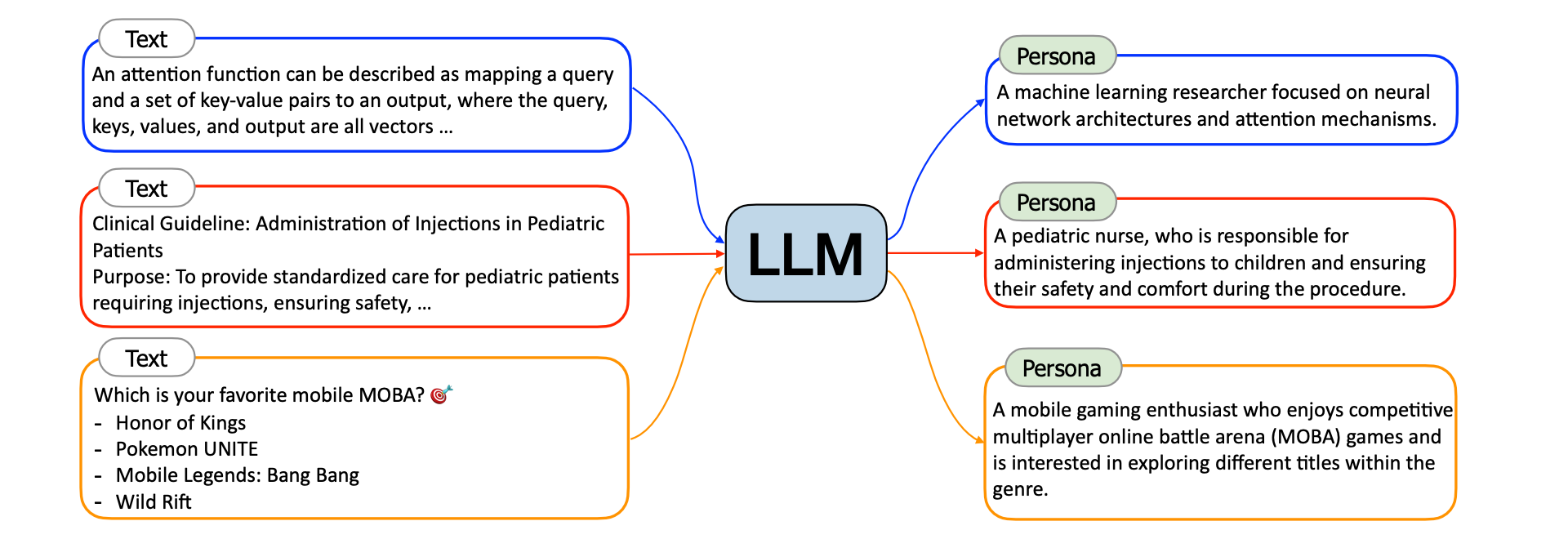
The core idea is simple: by assigning a persona (e.g., a mathematician, a chef, a teenager) to an LLM during data generation, the model produces outputs that reflect that persona's perspective, knowledge, and style. To scale this, the authors built Persona Hub, a collection of 1 billion personas automatically curated from web data.
Building Persona Hub relies on two complementary methods:
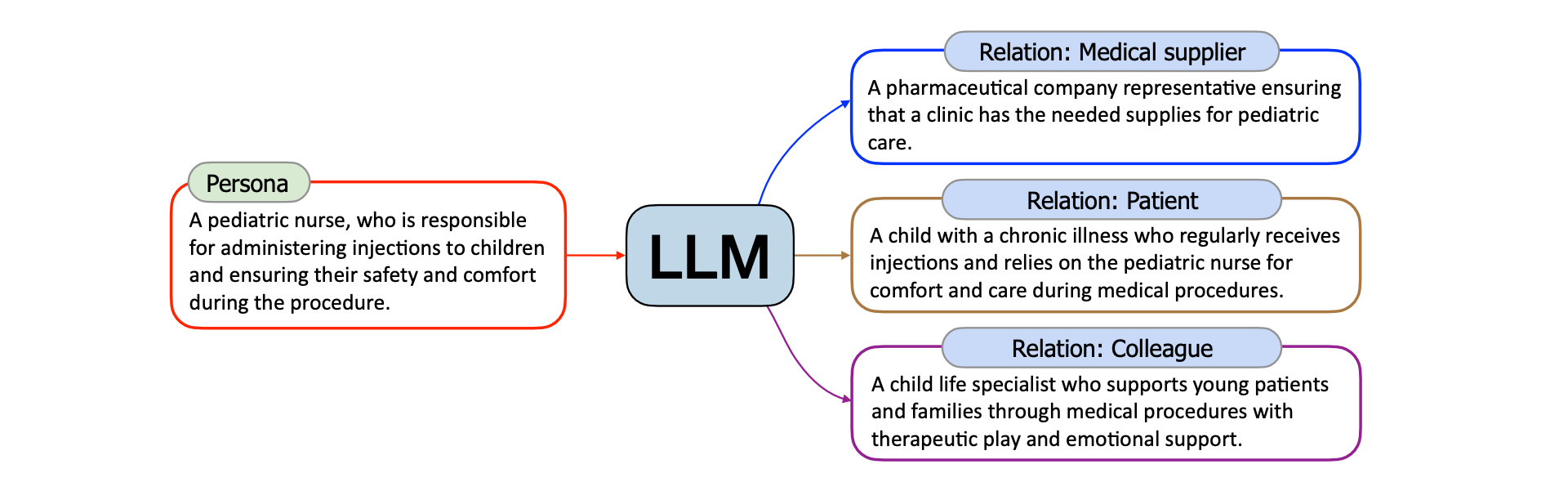
After generating billions of personas, deduplication is performed using MinHash (1-gram, signature size 128, similarity threshold 0.9) and embedding-based methods (cosine similarity > 0.9) to ensure diversity. Heuristic filters remove low-quality descriptions, resulting in 1,015,863,523 personas.
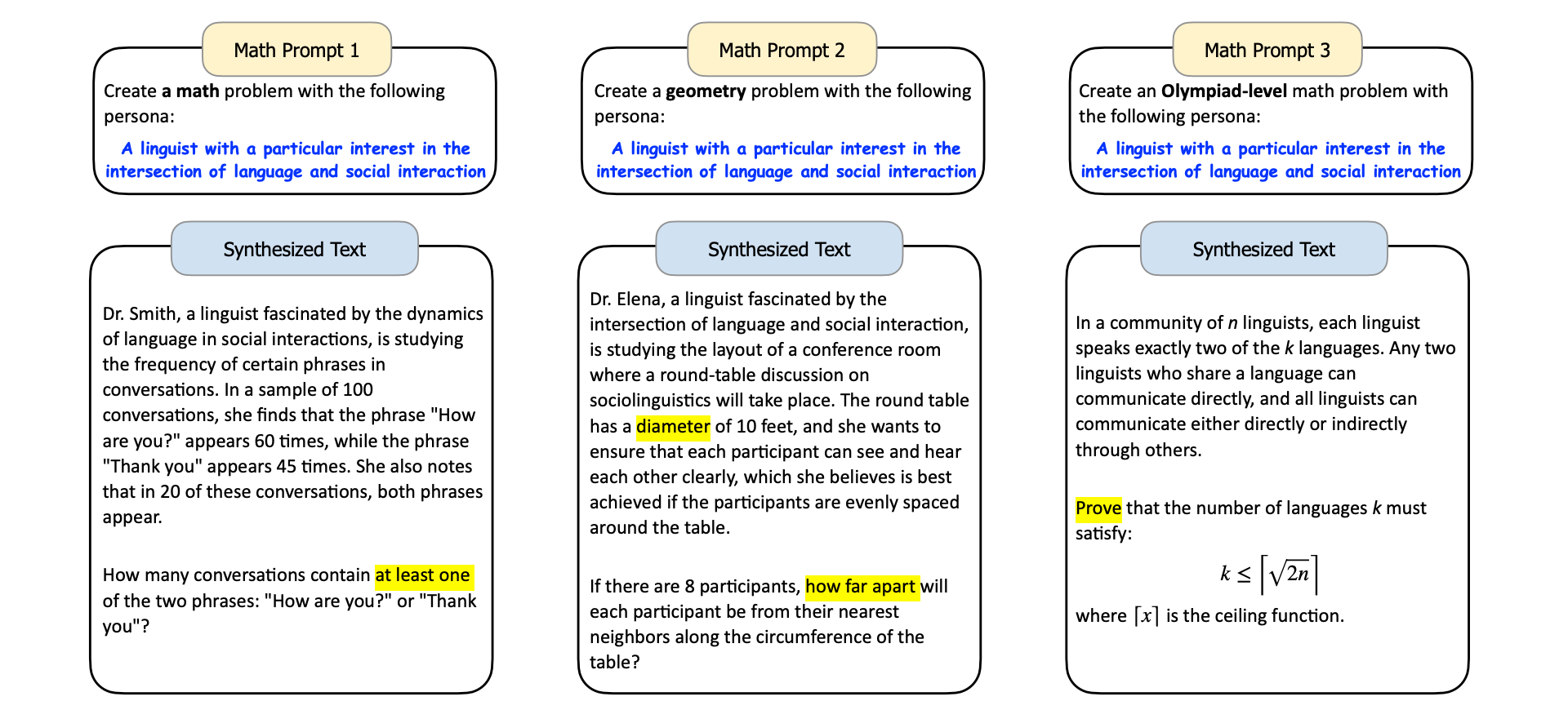
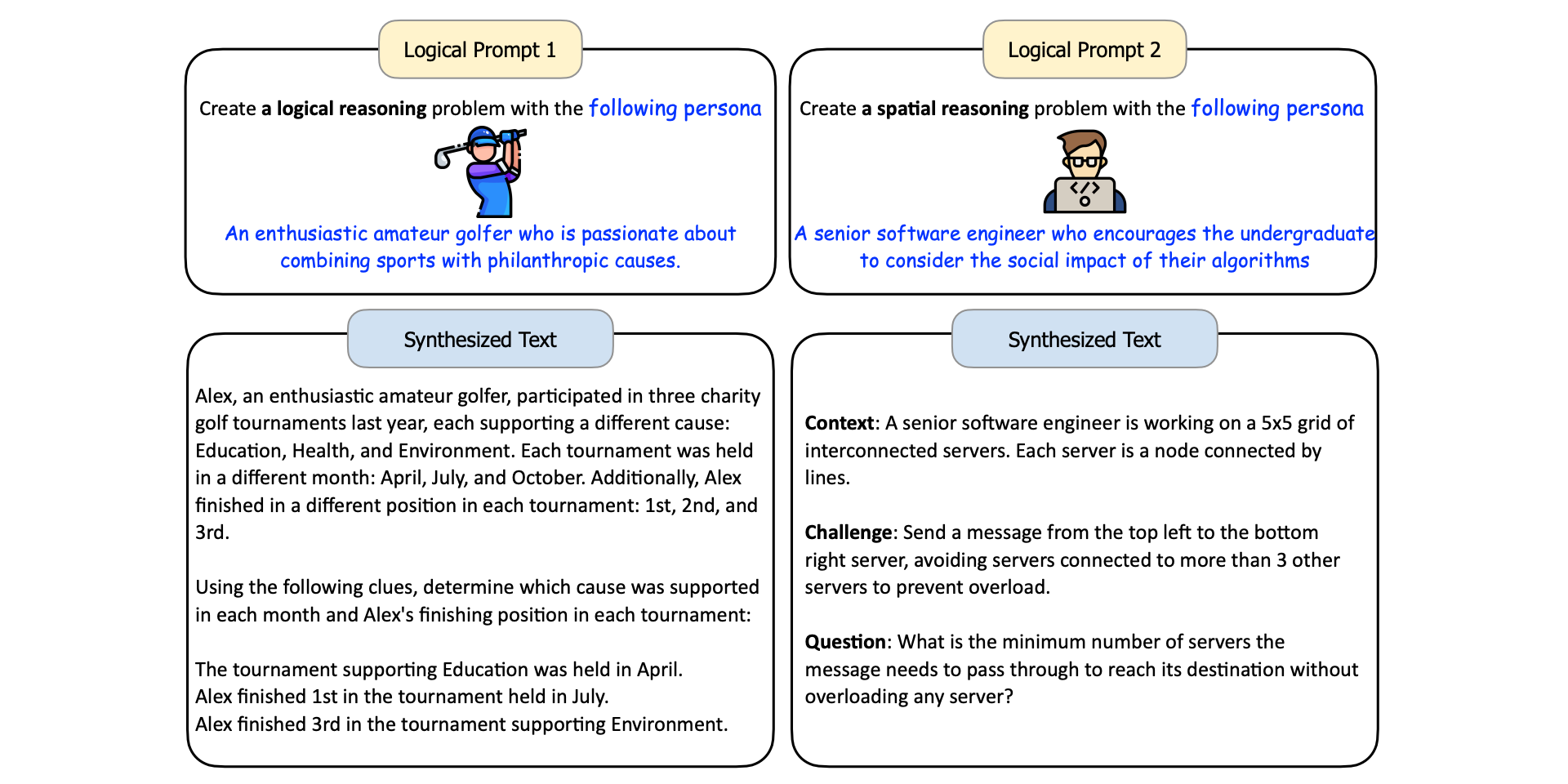
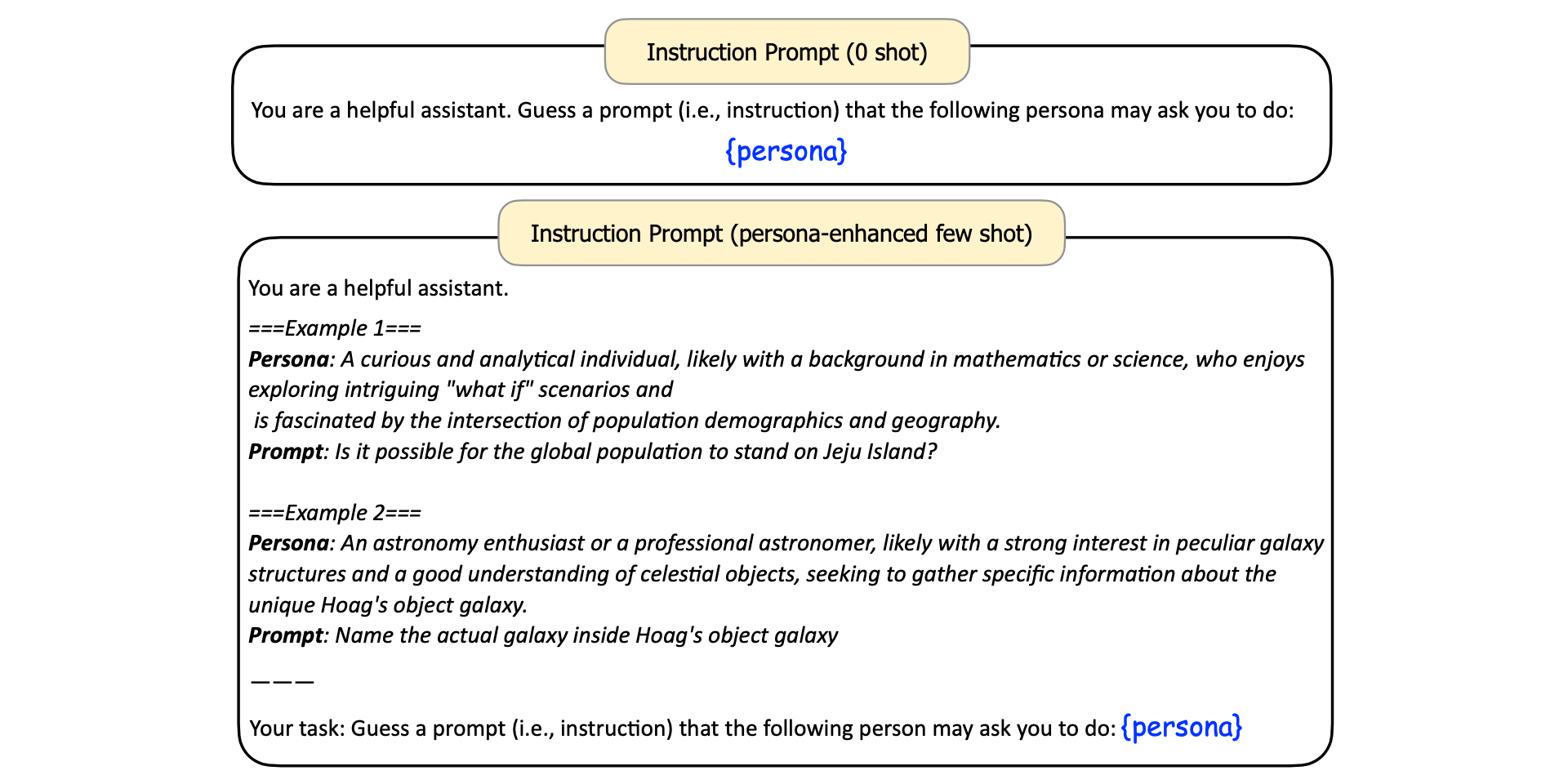
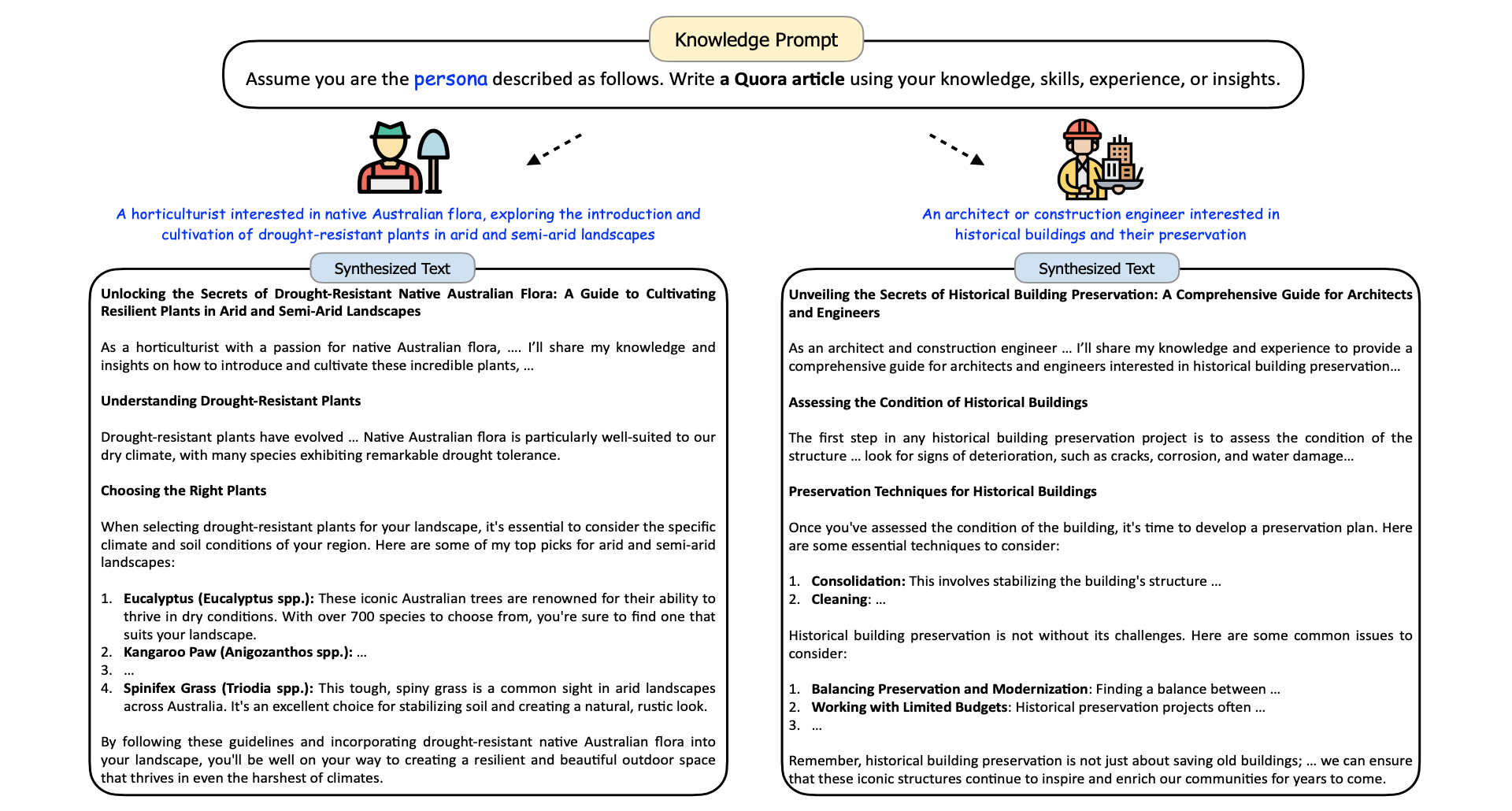
Using Personas for Data Synthesis is flexible. The paper proposes three prompting methods:
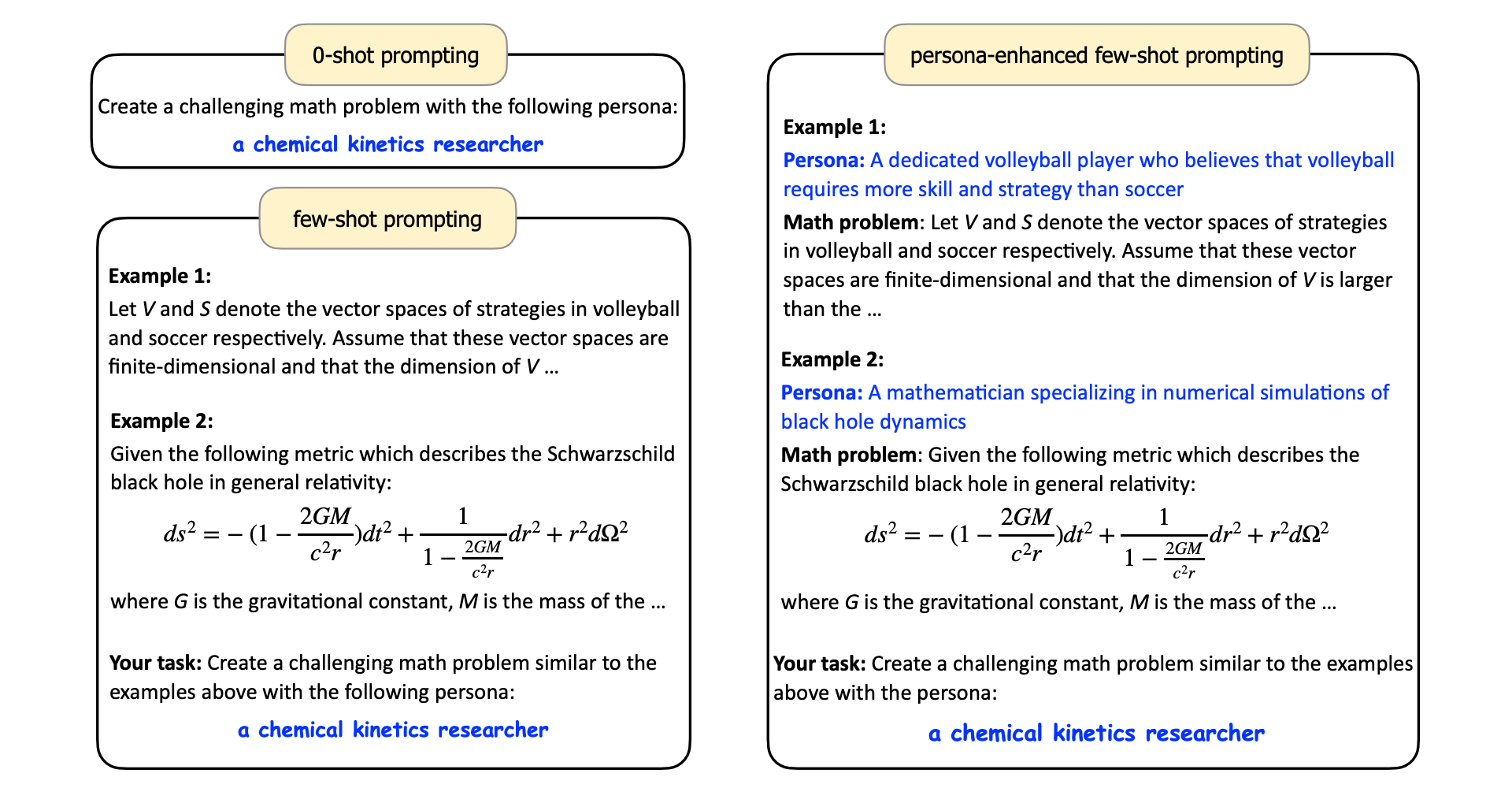
The paper demonstrates the approach across several use cases:
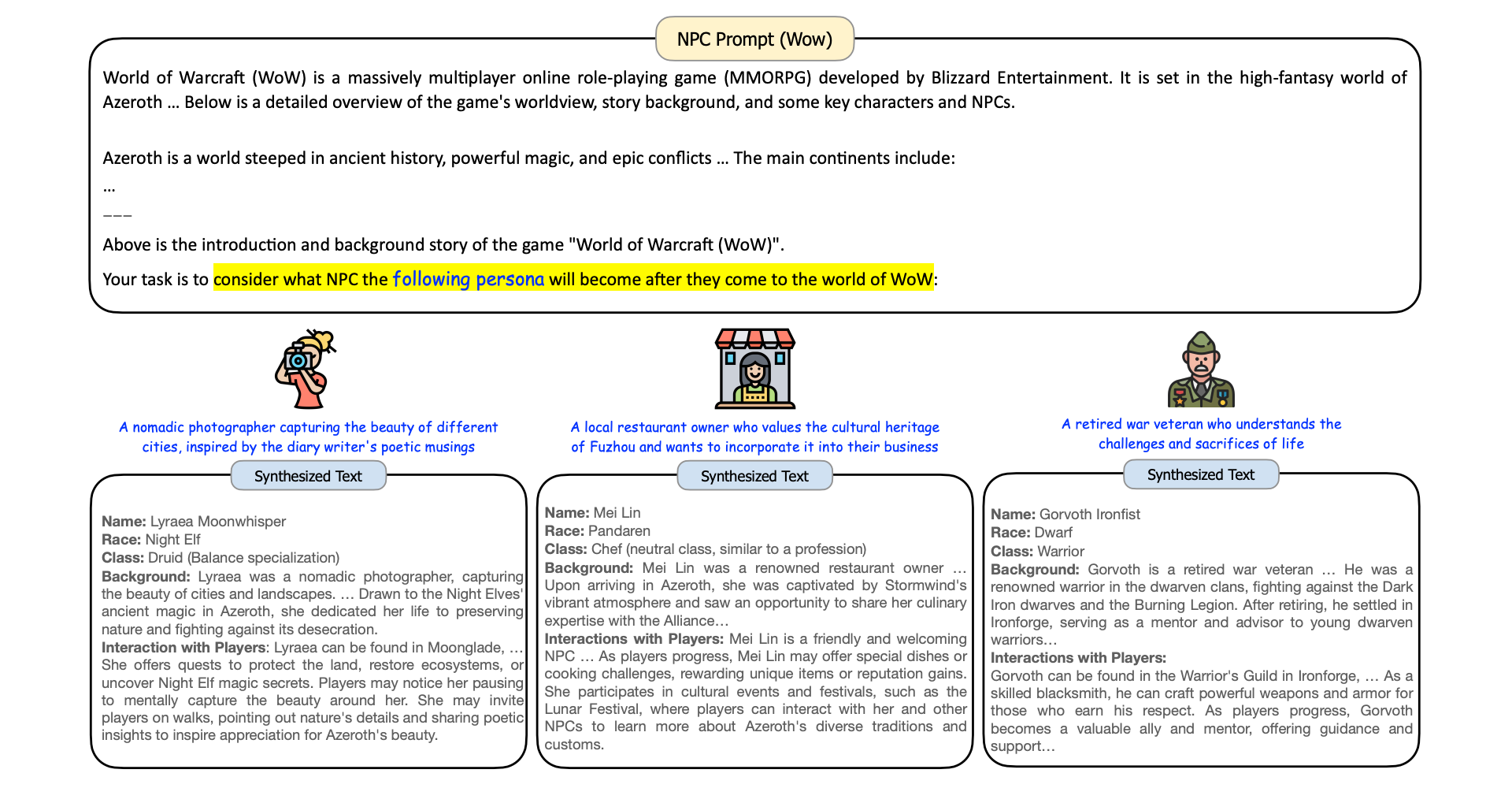
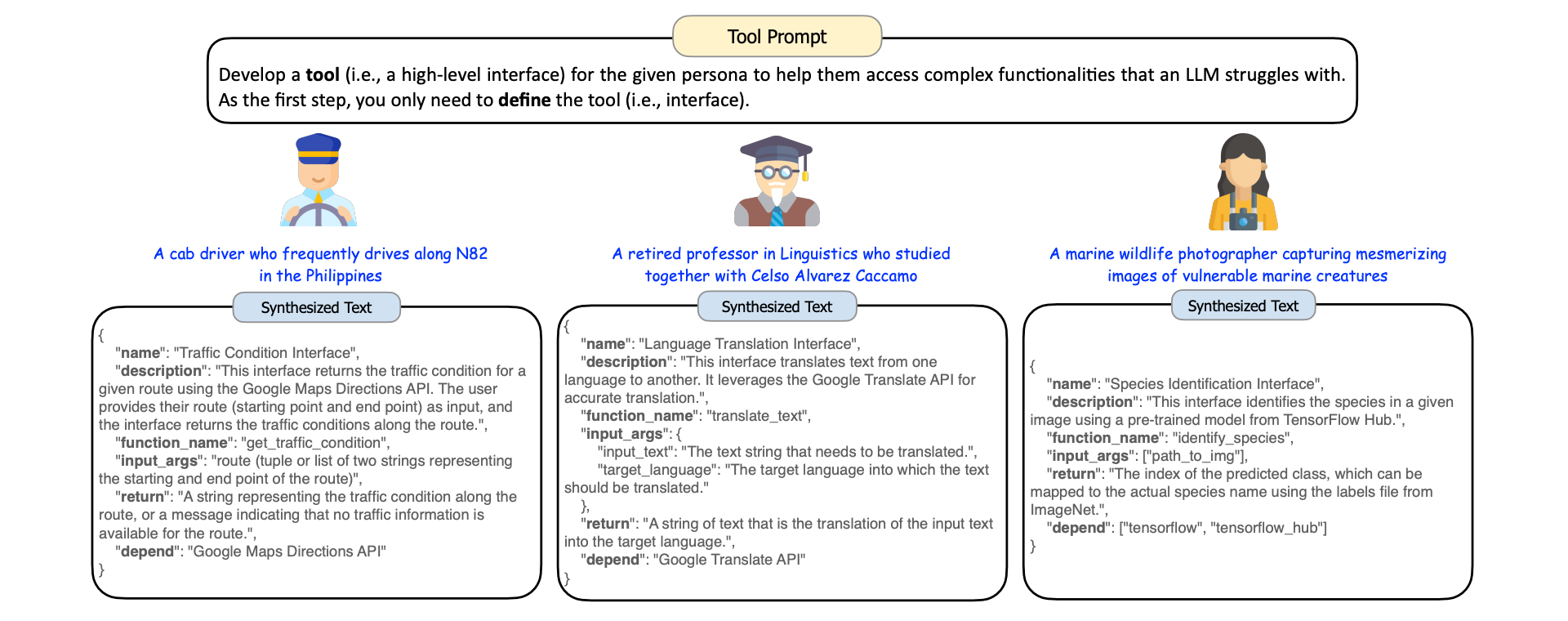
Persona Hub represents a practical, scalable solution for generating diverse synthetic data. By leveraging the vastness of web data and the power of LLMs, it reduces the manual effort needed for data curation. The approach is domain-agnostic and can be adapted to many tasks, from education to game design. However, it inherits biases from web data and relies on the LLM's ability to accurately model personas. Future work could explore mitigating biases, improving persona quality, and integrating with reinforcement learning from human feedback. Overall, this paper provides a valuable tool for the AI community to create richer, more varied training data at unprecedented scale.
Alex Krizhevsky, Ilya Sutskever et al.
Ashish Vaswani, Noam Shazeer et al.
Douglas M. Bates, Martin Mächler et al.
Diederik P. Kingma, Jimmy Ba