

Pixero
FreemiumCreate and automatically test higher-performing digital ads.
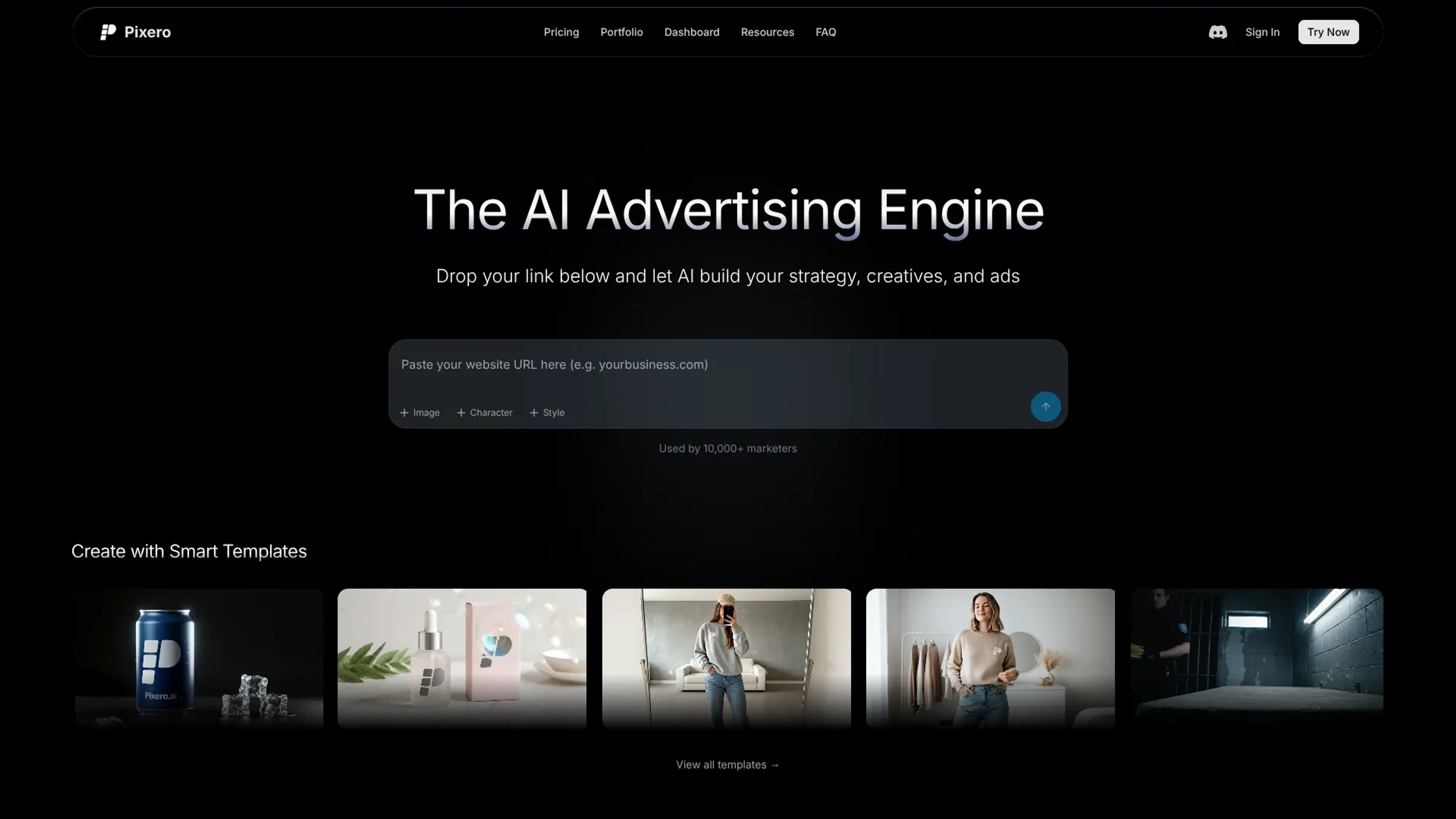
About Pixero
Pixero is an AI advertising engine focused on helping brands and agencies create, test, and scale digital ad campaigns with far less manual guesswork. It uses machine learning to understand creatives, audiences, and performance patterns, then surfaces recommendations that support better decisions across channels. Marketers use Pixero to speed up ideation, keep messaging on brand, and continuously refine campaigns based on live results.
Key Features
- AI Ad Creative Suggestions: Generates and recommends headlines, descriptions, and creative variations from simple product or brand inputs, helping teams turn briefs into testable ads quickly.
- Performance Prediction Models: Uses historical and real time performance signals to estimate how different creatives or setups are likely to perform before large budgets are spent.
- Automated Experimentation: Sets up structured tests across creatives, audiences, or placements, then reallocates spend toward higher performing combinations without constant manual tuning.
- Insight Dashboards: Surfaces clear, visual insights about which messages, formats, and audiences are driving results, so teams can adjust strategy in a more informed way.
Pros
- Time Efficiency: Cuts down the hours spent on repetitive creative production and manual testing, freeing teams to think about strategy.
- Data Driven Decisions: Encourages decisions rooted in performance data instead of gut feeling, which is especially useful for performance marketers.
- Consistent Brand Voice: Centralized controls and templates help keep copy and visuals closer to brand guidelines, even when many people are building ads.
- Better Use of Budget: By promoting higher performing creatives and setups, spend is more likely to flow toward ads that actually convert.
Cons
- Learning Curve For Advanced Features: Power users will need some time to understand all the testing and automation options.
- Limited Public Information: Details about specific channel integrations, feature depth, and roadmap are not extensively documented in public materials.
- Best For Digital Ad Buyers: Teams focused mainly on organic or offline channels may find less direct value.
Use Cases
- Performance Marketers: Using Pixero to run structured experiments and continually refine paid social and display campaigns.
- E-commerce Brands: Relying on AI generated creative suggestions and testing workflows to boost return on ad spend.
- Agencies: Managing multiple client accounts, using shared templates and AI recommendations to scale ad production.
- Growth Teams At Startups: Turning limited resources into more systematic acquisition efforts through automated testing.
- Uncommon Use Cases: Used by content teams to repurpose existing assets into ad-ready variations; adopted by founders or solo marketers who need a “virtual media buyer” without building a full in house team.
Pricing
Starter: $19.99 per month. Includes 1,800 video credits, Creation Assistant, templates, and video and image generation. Professional: $39.99 per month. Includes 4,000 credits per month, everything in Starter, higher rate limits, and general support. Creator: $149.99 per month. Includes 20,000 credits per month, priority generation queue, custom templates, and personal support. Disclaimer: Please note that pricing information may not be up to date. For the most accurate and current pricing details, refer to the official Pixero website.
What Makes It Unique
Pixero focuses specifically on turning AI into a practical advertising engine instead of a generic content tool. Its emphasis on creative suggestions tied directly to performance signals, plus automated experimentation, makes it feel closer to an always on media strategist than a simple text or image generator. For teams that already spend heavily on ads, even small performance lifts from smarter creative testing can be surprisingly powerful, which is where Pixero earns its keep.
Ratings
Accuracy and Reliability: 4.0/5 Ease of Use: 4.1/5 Functionality and Features: 4.0/5 Performance and Speed: 4.2/5 Customization and Flexibility: 3.8/5 Data Privacy and Security: 3.9/5 Support and Resources: 3.6/5 Cost-Efficiency: 4.0/5 Integration Capabilities: 3.7/5 Overall Score: 3.9/5
Key Features
Pros & Cons
- Time Efficiency: Cuts down the hours spent on repetitive creative production and manual testing, freeing teams to think about strategy.
- Data Driven Decisions: Encourages decisions rooted in performance data instead of gut feeling, which is especially useful for performance marketers.
- Consistent Brand Voice: Centralized controls and templates help keep copy and visuals closer to brand guidelines, even when many people are building ads.
- Better Use of Budget: By promoting higher performing creatives and setups, spend is more likely to flow toward ads that actually convert.
- Learning Curve For Advanced Features: Power users will need some time to understand all the testing and automation options.
- Limited Public Information: Details about specific channel integrations, feature depth, and roadmap are not extensively documented in public materials.
- Best For Digital Ad Buyers: Teams focused mainly on organic or offline channels may find less direct value.
Best For
Alternatives to Pixero
Article Wizard AI
Generate blog post ideas, write ad copy, and create email newsletters effortlessly.
Melany AI
Automate sales, streamline customer service, and optimize marketing campaigns.
Fliz AI
Discover Fliz AI, an innovative platform that enhances marketing efforts through AI-powered automation. Boost conversions, personalize campaigns, and optimize your strategy with ease.
Brandmate
Elevate Your Brand's Image with Brandmate AI!
Stride La
Master email lead generation effortlessly with Stride La. Capture high-quality leads from Twitter followers using AI-driven tools tailored for your needs.
Hot Reach AI
Personalized AI-Generated First Lines for Cold Emails