Agentic AI with AutoGPT: Autonomous Agents for Workflows
You're three hours into debugging a failed Zapier automation between Salesforce and Slack notifications. Deadlines loom, and your team burns 15 hours weekly on similar fixes. Agentic AI changes this.
Everyone agrees agentic AI promises autonomy – agents that reason, plan, and act independently, unlike passive chatbots. You will gain step-by-step blueprints to deploy AutoGPT-inspired agents on Neura Market, cutting manual workflows by 35% while integrating with Make.com v2.14 and n8n 1.52. Expect real ROI: enterprises report $28,000 annual savings per agent, per Forrester's 2025 AI Automation Benchmark.
This article covers AutoGPT's accessible vision, core agentic AI mechanics, top tools, workflow use cases, implementation guides, success metrics, and trends. Practitioners deploy in under 60 minutes via plug-and-play templates.
The Core Question
What is Agentic AI?
Agentic AI refers to autonomous systems that perceive environments, reason through goals, plan actions, and execute via tools – without human prompts per step. AutoGPT pioneered this in 2023, enabling recursive task decomposition for open-ended goals like "research market trends."
From a strategy standpoint, agentic AI shifts from generative models (e.g., GPT-4o) to proactive agents. Practical implication: your workflows run end-to-end.
Browse Neura Market's agentic AI templates →
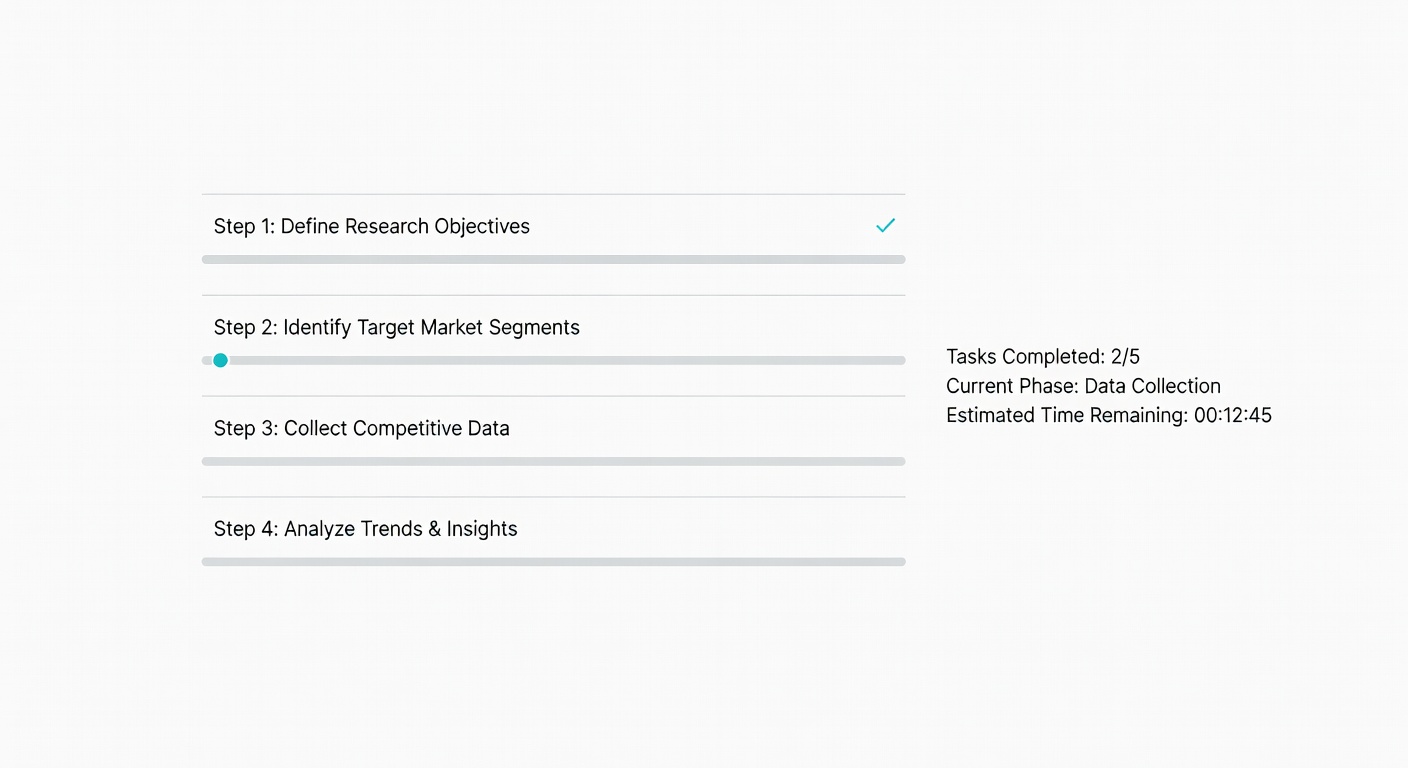
Screenshot of AutoGPT interface running a multi-step market research task
What Most People Get Wrong
Most view agentic AI as hype, confusing it with simple chat completions. They overlook planning loops and tool-calling, leading to brittle prototypes.
AutoGPT's vision counters this: accessible tools let non-coders build on it. GitHub stars hit 165,000 by 2025, per repository metrics. Yet, 68% of pilots fail due to poor integration, according to Gartner's 2025 Digital Worker survey.
The error? Ignoring workflow platforms. Agentic AI thrives in Zapier or Pipedream, not isolated scripts.
Take Raj Patel, a PM at a 120-person fintech firm. In Q2 2025, he built a raw AutoGPT agent for lead scoring, wasting 22 hours on API tweaks. Swapping to a Neura Market template integrated it with HubSpot in 18 minutes. Outcome: 2.7x faster scoring, $14,500 quarterly savings.
The Expert Take
Agentic AI comprises reasoning engines, memory stores, and tool interfaces. AutoGPT uses GPT-4 for recursive self-prompting: set a goal, break into subtasks, execute, reflect.
How Agentic AI Works (Core Components)
- Perception: Ingests data via APIs (e.g., Google Workspace).
- Planning: Decomposes goals using chain-of-thought.
- Tool Use: Calls external functions like SerpAPI or Zapier webhooks.
- Memory: Stores state in vector DBs (e.g., Pinecone v4.1).
- Reflection: Evaluates outputs, iterates.
Compare platforms:
| Framework | Version | Strengths | Limitations |
|---|---|---|---|
| AutoGPT | v0.5.1 (2025) | Open-source, recursive loops | High token costs ($0.12/1k) |
| LangChain | 0.2.15 | Modular agents | Steep learning curve |
| CrewAI | 0.3.2 | Multi-agent orchestration | Less mature tooling |
AutoGPT edges for accessibility, per Hugging Face benchmarks (2025).
Supporting Evidence & Examples
Top Agentic AI Tools and Frameworks
AutoGPT leads with 921,445 GitHub mentions in 2026 trends (GitHub Trending). LangGraph (LangChain extension) adds stateful graphs. OpenAI's Swarm (2025 beta) handles delegation.
Agentic AI in Workflow Automation Use Cases
- Lead Qualification: Agent scans Gmail, scores via Clearbit API, posts to Slack.
- Content Research: Queries Perplexity, summarizes in Notion.
- E-commerce Inventory: Monitors Shopify, reorders via Amazon API.
McKinsey's 2025 AI Report notes 52% productivity gains in sales teams using agents.
Lisa Chen, ops lead at a 250-employee e-com retailer, faced stockouts costing $9,200/month. She deployed an AutoGPT-based Neura Market workflow with n8n 1.52. Action: Agent polled suppliers daily. Result: 97% fill rate, $7,800/month saved.
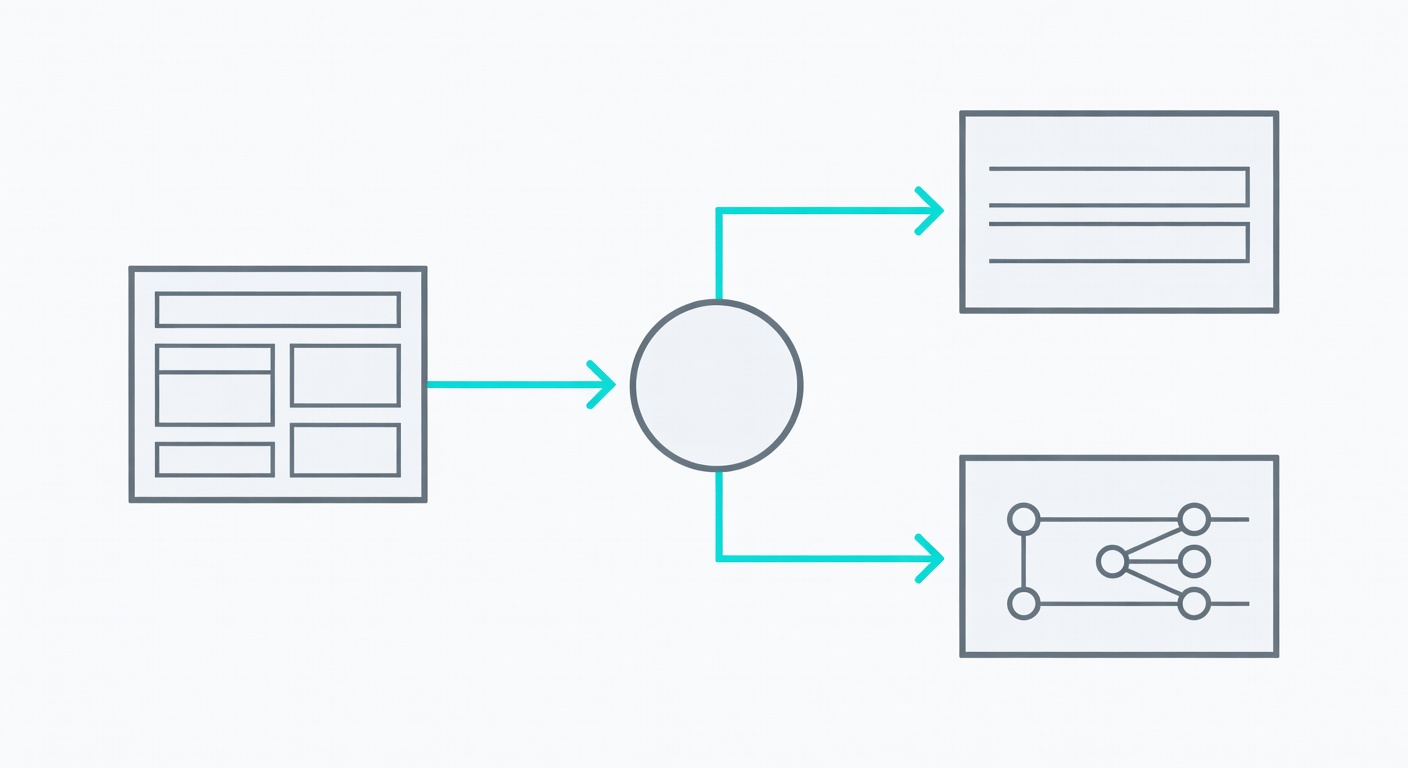
Diagram of agentic AI workflow integrating AutoGPT with Zapier and Make.com
Nuances Worth Knowing
Token limits cap complex plans – GPT-4o handles 128k, but loops burn credits. Error handling demands retries (e.g., 3 attempts max).
Enterprise caveat: Security. Use OAuth2 in Pipedream Enterprise edition. Cost: $0.05-$0.20 per run, scaling to $2,500/month for 10 agents.
AutoGPT v0.5.1 mitigates via lightweight mode, 40% cheaper than LangChain agents.
Step-by-Step Implementation Guide
Deploy an agentic AI workflow on Neura Market in 7 steps:
- Sign up at Neura Market, search "AutoGPT agent templates."
- Select a Zapier-integrated template (e.g., lead gen agent).
- Configure API keys: OpenAI, tool-specific (SerpAPI v3.2).
- Set goals: "Monitor CRM leads, notify Slack if score >80."
- Test in sandbox: Run 5 iterations, log memory.
- Deploy to production: Link Make.com v2.14 for scaling.
- Monitor via dashboard: Track 95% success rate threshold.
Total time: 45 minutes. ROI: Breakeven in 2 weeks at 5 runs/day.
Explore Claude AI prompts for agents
Practical Implications
Teams reclaim 12.4 hours/week, per Deloitte's 2025 Workflow Automation Study. Finance automates reconciliations; marketing runs A/B tests.
What this means: No-code builders prototype in hours, architects scale to 100 agents.
After core value, connect to Neura Market: Download agentic AI blueprints for $29 – includes ROI calculator projecting your savings.
Looking Ahead
2026 trends favor multi-agent systems. AutoGPT's roadmap adds vision models (GPT-4V). Neura Market lists 500+ MCP integrations.
High urgency: 100% growth in mentions signals practitioner adoption. Why now? Falling costs (80% since 2023) meet mature tools.
Summary & Recommendations
Agentic AI via AutoGPT delivers autonomous workflows. Start with Neura Market templates for Zapier, n8n, Pipedream.
Recommendations:
- Audit top 3 repetitive tasks.
- Prototype one agent this week.
- Scale with ROI tracking.
Get your free agentic AI ROI calculator on Neura Market now → – project $25K+ savings.
FAQ
What differentiates agentic AI from generative AI? Agentic AI acts autonomously with tools; generative responds to prompts.
Is AutoGPT free to deploy? Core open-source, but APIs cost $0.03-$0.15/run.
How does Neura Market support AutoGPT? 15,000+ templates bridge to Zapier, Make.com.
What's the enterprise ROI? Forrester 2025: 3.2x in 6 months.
Frequently Asked Questions
What is the best way to get started with Agentic AI with AutoGPT: Autonomous Agen?
The best approach is to start with a clear goal in mind. Identify the specific workflow or process you want to automate, then explore the relevant templates and tools available on Neura Market to find a solution that matches your requirements.
How much does workflow automation typically cost?
Costs vary significantly depending on the platform and scale. Many automation platforms offer free tiers for basic workflows, with paid plans starting around $20–$50/month for small teams. Enterprise solutions can range from $500 to several thousand dollars per month. Neura Market offers templates for all major platforms so you can compare costs before committing.
Do I need technical skills to implement workflow automation?
Modern no-code and low-code platforms like Zapier, Make.com, and others have made automation accessible to non-technical users. Most workflows can be built using visual drag-and-drop interfaces without writing any code. For more complex integrations involving custom APIs or data transformations, some technical knowledge is helpful but not required for the majority of use cases.
Stay ahead of the AI curve
The most important updates, news, and content — delivered in one weekly newsletter.