
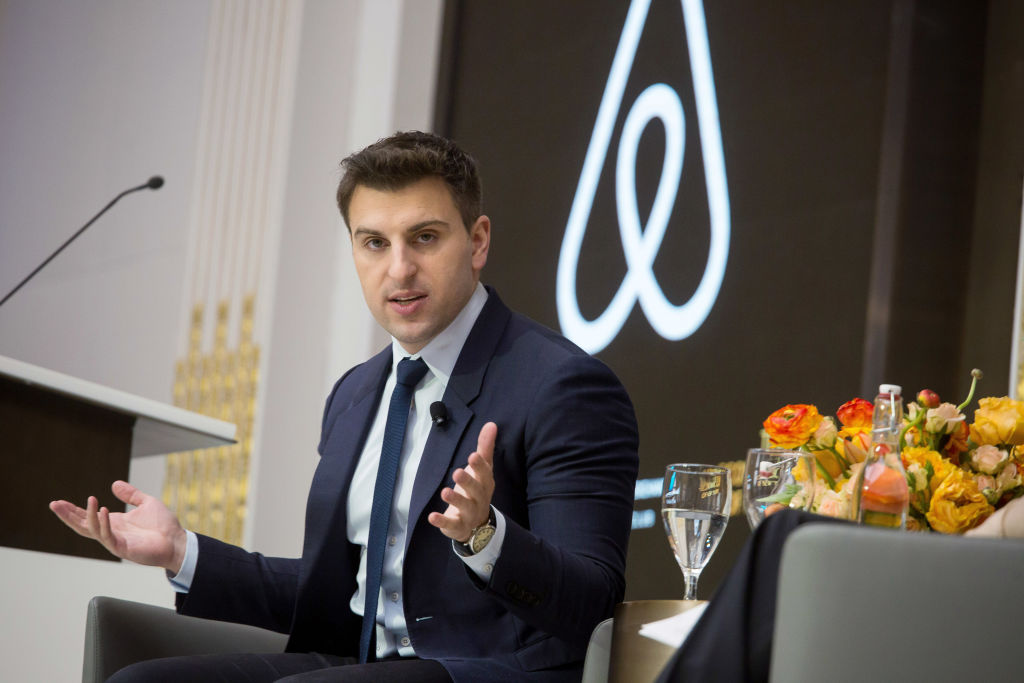
Airbnb CEO Brian Chesky is moving beyond his role as an artificial intelligence kingmaker. He now plans to back his own AI lab. Bloomberg first reported the news, and a person familiar with the situation confirmed it to TechCrunch.
Chesky joins a growing list of Silicon Valley power brokers who are dissatisfied with the models coming out of the frontier AI labs.
A long history with AI and Sam Altman
Airbnb has already adopted AI coding tools. But Chesky said last year that the company had not struck a large language model partnership because existing products were not quite ready.
Chesky brings deep insight into the AI world. He met Sam Altman in 2006 through Y Combinator, the startup accelerator that also incubated Airbnb. The two stayed in touch over the years. When OpenAI took off, Chesky began meeting regularly with Altman to offer advice on managing a hypergrowth tech company.
Chesky was reportedly considered a potential OpenAI board member. He played a key role in brokering Altman's return to power after OpenAI's board fired the CEO for lack of candor. Chesky advised Altman on public relations and rallied support among Silicon Valley bigwigs.
Now, however, Chesky appears to be entering competition with his mentee's company.
Stay ahead of the AI curve
The most important updates, news, and content — delivered weekly.
No spam. Unsubscribe anytime.
Lab focus and leadership
The exact focus of Chesky's new AI lab remains unclear. Bloomberg's report mentioned user interaction and design, areas that Chesky has emphasized during his tenure at Airbnb.
That approach is similar to what Brett Adcock is doing at Hark, an AI lab he launched late last year to develop a novel user interface for an AI assistant. Hark also emphasizes hardware products.
Chesky will not be going into "founder mode" at this operation. A person familiar with the situation said he will remain as Airbnb's CEO and will not lead the new lab himself. The person who does take the top job will have to contend not only with other AI labs, but also with a founding chair known for being a micromanager.
A representative for Airbnb and Chesky declined to comment.