
Cerebras Targets $40B Valuation in Second IPO
Cerebras Systems, a maker of AI chips, prepares to go public on the Nasdaq exchange using the ticker symbol CBRS. The company starts its IPO roadshow on Monday. Shares aim for a price range of $115 to $125, according to Reuters sources close to the deal.
Bloomberg reports indicate Cerebras might collect as much as $4 billion. That figure points to a company valuation near $40 billion. This marks the second time Sunnyvale, California-based Cerebras has pursued an initial public offering. The firm withdrew its initial filing back in October.
Company Focus and Competition
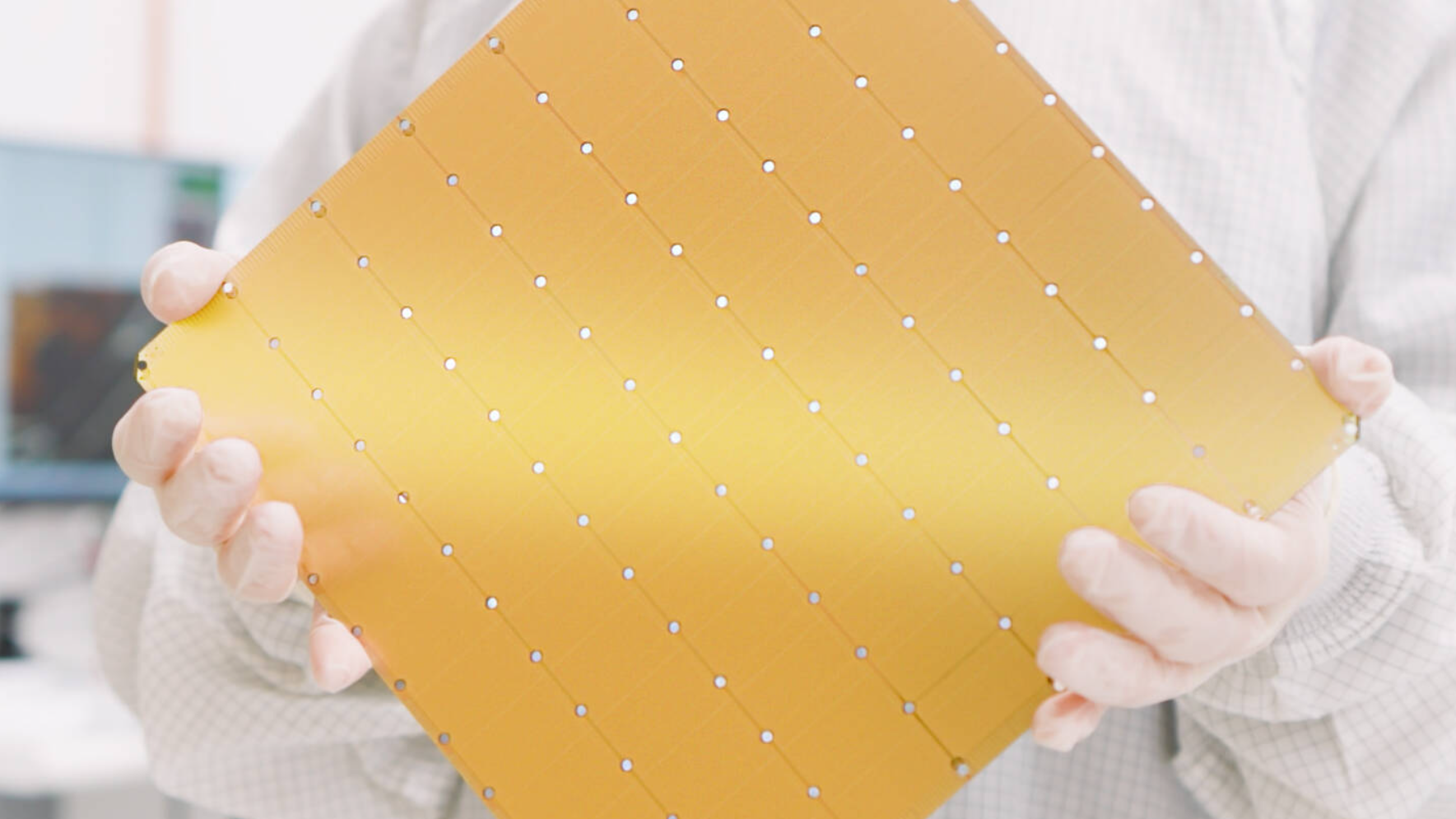
Cerebras designs wafer-scale engine chips. These components accelerate training processes and especially inference tasks for major AI models. The technology positions the company as a direct rival to Nvidia, the dominant player in AI hardware.
Cerebras Systems got its start in 2016. Founders including Andrew Feldman built it around a novel approach to chip design. Instead of small GPUs, Cerebras creates massive single chips that span an entire silicon wafer. Products like the Wafer Scale Engine pack tens of thousands of cores and hundreds of thousands of cores in later versions such as the CS-2 and CS-3. This setup handles enormous AI workloads that split across many cards from competitors.
Customers include large cloud providers and research institutions. Cerebras systems power AI development for tasks from drug discovery to climate modeling. The company's edge lies in faster processing times and lower power use for certain large-scale jobs.
Financial Growth and Profitability
The company saw strong revenue gains last year. Sales reached $510 million in 2025, a rise from $290 million in the prior year. Cerebras also posted its first profit during that period.
Such numbers reflect booming demand for AI compute power. Hyperscalers and enterprises seek alternatives to supply shortages from Nvidia. Cerebras benefits from this shift, securing deals with firms like GlaxoSmithKline and government agencies.
Stay ahead of the AI curve
The most important updates, news, and content — delivered weekly.
No spam. Unsubscribe anytime.
Morgan Stanley, Citigroup, Barclays, and UBS handle the IPO as lead underwriters. These banks bring experience to tech listings amid volatile markets.
IPO Context and Market Position
The first IPO attempt came amid regulatory reviews and market conditions. Cerebras filed confidentially then pulled back. Now, with improved finances and AI hype, timing aligns better.
Nvidia holds over 80 percent of the AI chip market. Cerebras carves a niche with specialized hardware. Its chips excel at inference, a growing need as models deploy at scale.
Success here could fund expansion. Cerebras plans more wafer fabs and software tools. The $40 billion target matches peers like Broadcom, though below Nvidia's trillion-dollar scale.
This IPO arrives as AI investments pour in. Public markets value compute firms highly. Cerebras joins Arm and others testing investor appetite.