
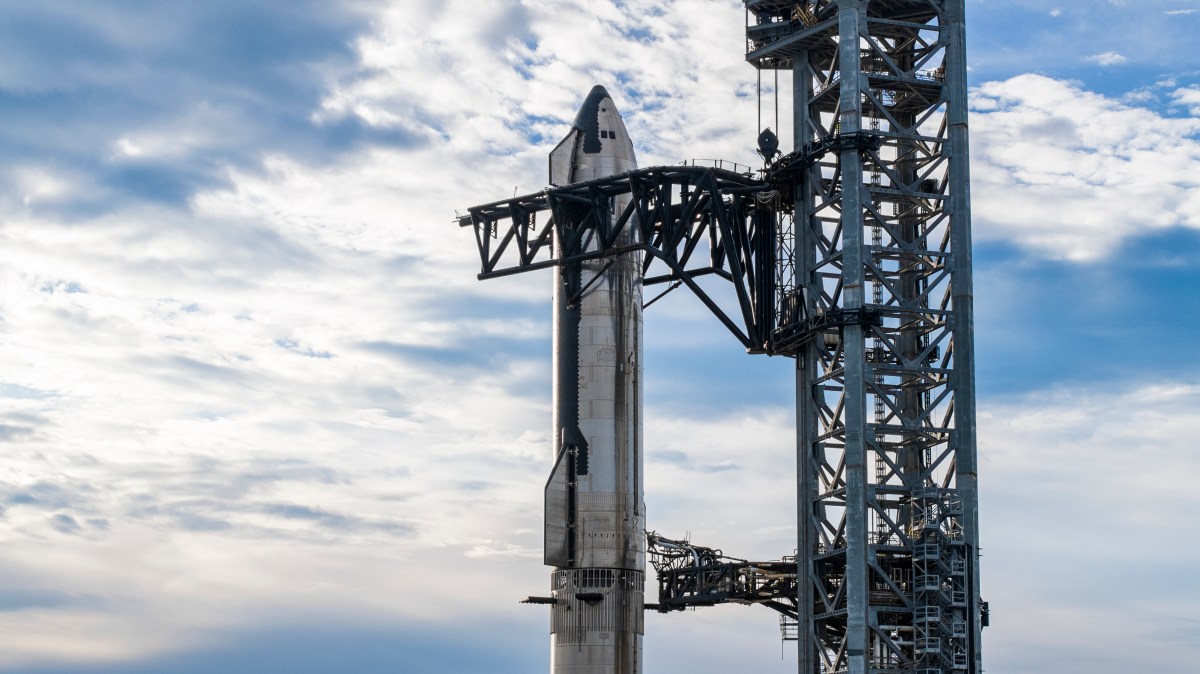
Google and SpaceX in Talks for Orbital Data Centers
Google and SpaceX have entered discussions about sending data centers into space. The Wall Street Journal reported this development, based on sources close to the situation.
SpaceX, founded by Elon Musk in 2002, focuses on reusable rockets and satellite internet through Starlink. The company aims to reduce launch costs dramatically with its Starship vehicle. Google, part of Alphabet since 2015, operates vast networks of data centers worldwide to power its search engine, cloud services, and AI models like Gemini.
SpaceX's Push Ahead of Major IPO
These talks occur as SpaceX prepares for an initial public offering valued at $1.75 trillion later this year. The company pitches orbital data centers to investors as the most cost-effective location for AI computing in the coming years. SpaceX argues that space-based facilities will undercut ground alternatives soon.
This follows a recent agreement with Anthropic. Last week, SpaceX committed to using computing power from xAI's data center in Memphis, Tennessee. Future collaboration could extend to orbital data centers. SpaceX acquired xAI, Musk's AI venture launched in 2023 to rival OpenAI, back in February.
Google's Separate Initiatives
Google is not limiting discussions to SpaceX. Reports indicate the tech giant is negotiating with other rocket providers as well. Separately, Google plans to deploy prototype satellites by 2027 under Project Suncatcher. The company unveiled this effort late last year to test space-based solar power and related technologies.
Stay ahead of the AI curve
The most important updates, news, and content — delivered weekly.
No spam. Unsubscribe anytime.
Project Suncatcher builds on Google's long history in satellite tech. Alphabet has invested in Loon for balloon-based internet and now explores orbital solutions for energy and computing needs.
Hype, Challenges, and Past Ties
Skeptics point out current realities. A recent TechCrunch article noted that today's land-based data centers cost far less overall. That calculation includes expenses for building satellites and launching them into orbit.
Google and SpaceX share a financial history. In 2015, Google put $900 million into SpaceX, as shown in regulatory documents. This investment came during a funding round that valued the rocket firm at around $12 billion at the time.
TechCrunch contacted both companies for statements but received no immediate replies.
Orbital data centers represent a bold step for AI infrastructure. As demand for computing power surges with models requiring massive resources, companies seek innovative sites. SpaceX's frequent launches and Google's AI dominance make this partnership logical, though technical and economic hurdles remain.