
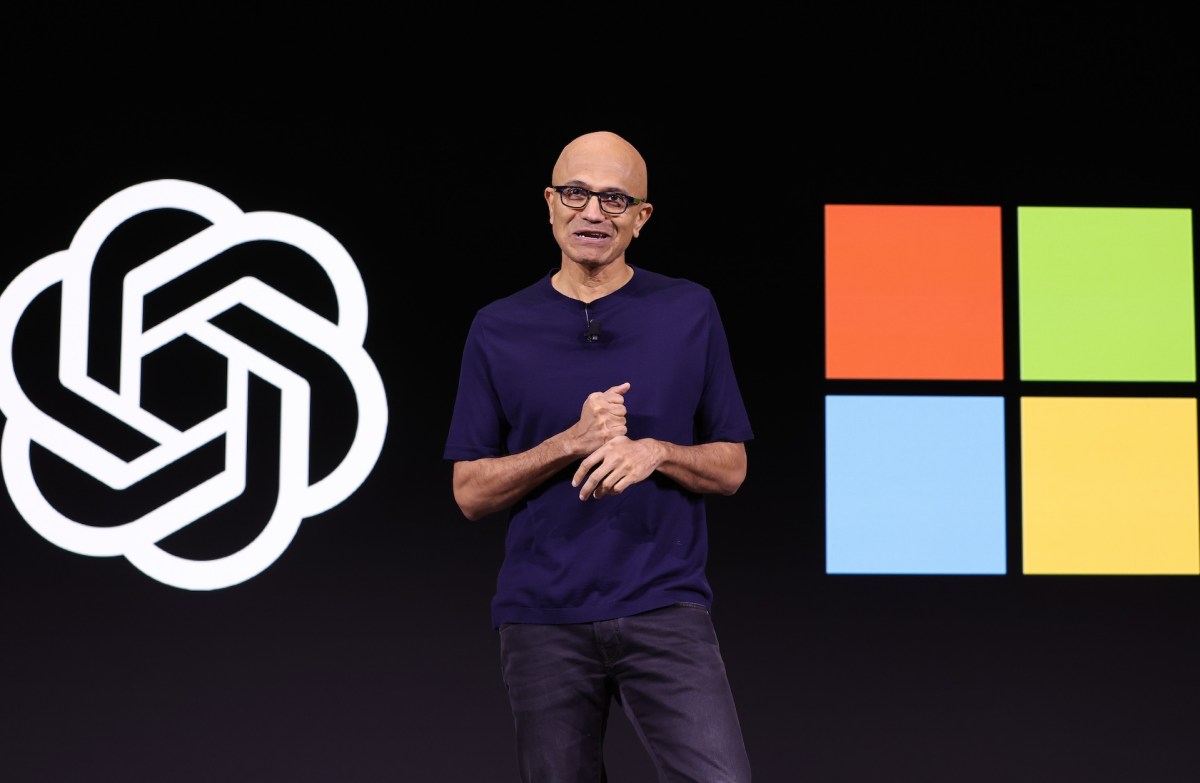
Microsoft disclosed a $3.2 billion gain on its investment in AI lab Anthropic during the fourth quarter of its fiscal year 2026, a figure that nearly matched the $5 billion gain it recorded from OpenAI over the entire fiscal year. The revelation came in the company's earnings report for the period ended June 30, 2026, published on July 29, 2026.
A $3.2B Quarterly Boost from Anthropic
The $3.2 billion gain on Microsoft's Anthropic investment boosted diluted earnings per share by $0.33. Microsoft reported diluted EPS of $4.81 for the fourth quarter. The gain stems from Microsoft's $5 billion investment in Anthropic in November 2025, which was part of a circular agreement under which Anthropic committed to buying $30 billion worth of Azure services. Microsoft does not routinely update the value of its Anthropic investment each quarter, but the company disclosed the gain because it was noteworthy.
OpenAI Investment: A Mixed Quarter, Strong Year
Microsoft's investment in OpenAI, the other major AI lab in its portfolio, did not fare nearly as well in the fourth quarter. The company marked down its OpenAI investment by about $600 million in Q4, reducing diluted EPS by about $0.07. The write-down was mostly a rounding error for Microsoft, given its massive scale. However, the OpenAI investment looks much better when viewed on a full-year basis. For fiscal year 2026, Microsoft's OpenAI investment generated a $5 billion gain and added $0.67 to EPS. Microsoft owns about 27% of OpenAI and also receives revenue-share payments from the AI lab, though it does not report the amount.
Stay ahead of the AI curve
The most important updates, news, and content — delivered weekly.
No spam. Unsubscribe anytime.
Microsoft's Overall Financial Performance
Microsoft reported Q4 revenue of $90 billion and net income of $35.8 billion. For the full fiscal year 2026, the company posted revenue of $331.8 billion and net income of $133.7 billion. Microsoft reported FY2026 diluted EPS of $17.95. The $3.2 billion gain on Anthropic in one quarter was nearly as much as the $5 billion gain on OpenAI for the entire fiscal year, highlighting the volatility and potential of Microsoft's dual bets on competing AI labs.
The Strategic Rationale Behind Dual AI Investments
Microsoft's investments in both Anthropic and OpenAI reflect its strategy to hedge its bets across the rapidly evolving AI landscape. The $5 billion investment in Anthropic in November 2025 came with a $30 billion Azure services commitment, ensuring that Anthropic's cloud computing needs are met by Microsoft's infrastructure. Meanwhile, Microsoft's 27% stake in OpenAI gives it a significant equity position in the creator of ChatGPT. The company discusses its OpenAI investment quarterly, but it does not routinely update the value of its Anthropic investment, making the $3.2 billion gain a notable disclosure.