
Musk Claims OpenAI Lawyer Tried to Trick Him in Court
Elon Musk turned sharp during his second day of testimony in the ongoing lawsuit against OpenAI. He directly challenged the company's attorney, William Savitt, for posing questions that felt overly complex. "Your questions are not simple," Musk stated. "They're designed to trick me essentially."
Musk, who co-founded OpenAI alongside Sam Altman, has filed a major suit against the AI company and its leaders. He claims they broke promises by moving from a non-profit structure to a for-profit operation. OpenAI responds that Musk feels jealousy and regret over his 2018 departure from the organization. Company representatives also point to Musk's role at xAI as evidence he aims to hinder a direct competitor.
Details from the Courtroom Exchange
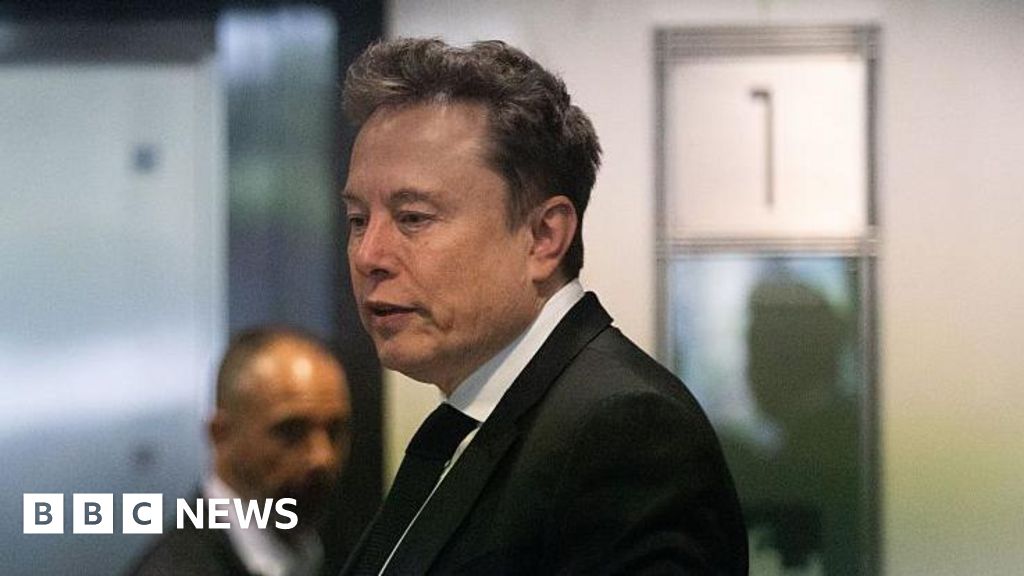
Dressed in a dark suit and tie, Musk took the stand while Altman and OpenAI president Greg Brockman, both defendants, sat nearby. Musk admitted he planned to hold initial control at OpenAI. However, he said that control would shift soon as additional investors joined. As the main early funder, Musk explained he needed to guide the company's start. He has built numerous for-profit businesses but chose a different path for OpenAI. "I could have done that with OpenAI, but I chose not to. I chose something that was for the public benefit," Musk said. "I deliberately chose to create this as a non-profit for the public good."
Musk demands billions in what his legal team describes as wrongful gains. He wants those funds directed to OpenAI's non-profit side and calls for major changes, including Altman's removal. OpenAI argues Musk uses the case to slow a key rival in AI development, even as he positions himself as a voice for safety and oversight.
Savitt pressed Musk on his push to keep OpenAI non-profit, tied to fears over Artificial General Intelligence. This refers to AI that exceeds human capabilities and could end up with unsafe parties. Musk started xAI, producer of the Grok chatbot, a year after OpenAI's ChatGPT became a huge success. Savitt noted xAI operates as a for-profit entity.
Origins and Stakes of the Lawsuit
Stay ahead of the AI curve
The most important updates, news, and content — delivered weekly.
No spam. Unsubscribe anytime.
The dispute traces to a 2024 filing by Musk against Altman, Brockman, and Microsoft. The tech giant has poured tens of billions into OpenAI. Musk objects to OpenAI's 2019 creation of a commercial unit, which came years before ChatGPT launched and sparked the current AI surge. OpenAI's xAI counterpart, started in 2023, trails behind market leaders.
OpenAI maintains Musk supported the commercial shift and quit only after failing to take the CEO role. Musk provided $38 million to the non-profit, which OpenAI says went fully toward its mission. The trial unfolds at an Oakland, California courthouse, drawing crowds of protesters.
In his Tuesday opening remarks, Musk simplified the issue to one of his attorneys. "It's actually very simple," he declared. "It's not okay to steal a charity... If it's okay to loot a charity, the entire foundation of charitable giving will be destroyed."
Savitt portrayed Musk's motives differently. He accused Musk of using his stake to pressure other founders and push for a Tesla merger. Tesla falls under Musk's ownership too. "We're here because Mr Musk didn't get his way at OpenAI," Savitt said. "Because he's a competitor, Mr Musk will do anything to attack OpenAI."
Broader Context and Next Steps
OpenAI began in 2015 as a non-profit effort by Musk, Altman, Brockman, and others to develop safe artificial general intelligence for humanity's benefit. Musk offered key early funding but left in 2018 amid reported clashes over direction and control. The group's capped-profit model in 2019 allowed wider investment, fueling growth. ChatGPT's November 2022 debut drew massive attention and users, reshaping AI's role.
Musk launched xAI in July 2023 to build advanced AI systems, including Grok, designed for truth-seeking and helpfulness. As head of Tesla and SpaceX, Musk often voices concerns on AI risks, advocating regulation. His suit raises claims of breach of charitable trust and unjust enrichment. The trial, with potential wide effects on AI, should run several weeks. Altman plans to testify later.