
OpenAI CEO Apologizes for Not Alerting Police on Shooter's Account
Sam Altman, co-founder and chief executive of OpenAI, has issued an apology to residents of Tumbler Ridge, Canada. He expressed regret that the company did not inform law enforcement about a ChatGPT account connected to the individual accused of carrying out a mass shooting there in January. The letter went out on Thursday to the small British Columbia community.
Altman wrote that he felt "deeply sorry" for the oversight regarding the account banned back in June. OpenAI identified the account through problematic usage patterns after the incident. The company chose not to contact authorities at that point. Company policy required evidence of a credible or imminent plan for serious physical harm to others, which this case did not satisfy.
Details of the Apology
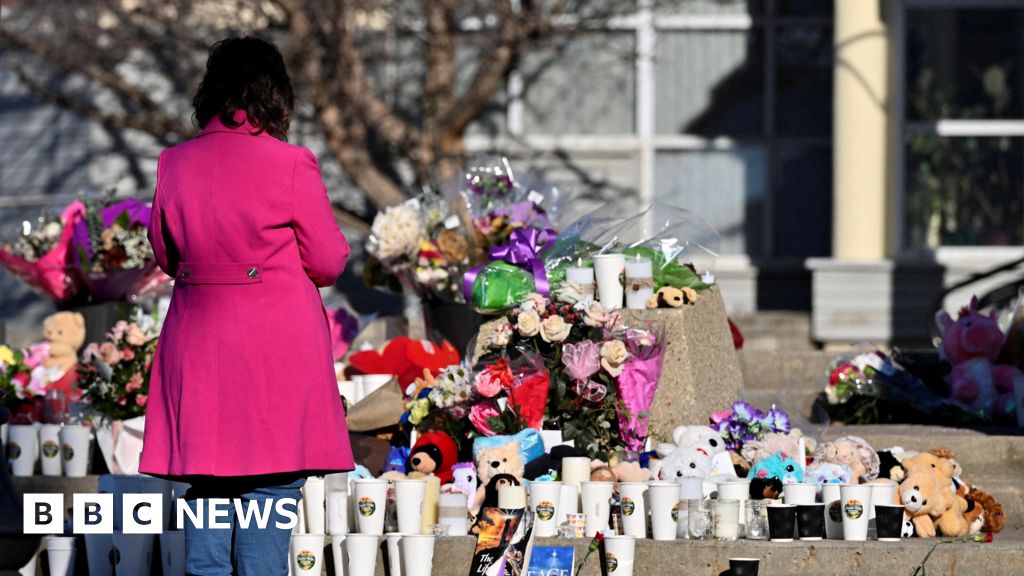
In his message, Altman acknowledged the profound suffering in Tumbler Ridge. He described the community's pain as "unimaginable." He explained delaying a public statement to allow time for grieving. Altman stressed that while words fall short, an apology remains essential to honor the harm and permanent losses endured.
He added a personal note about the tragedy of losing a child, something he said ranks as the worst imaginable. Several victims were young children at a local secondary school. Altman and his husband have a young child of their own. An OpenAI spokesperson verified that Altman authored the letter but offered no additional remarks.
OpenAI, founded in 2015 as a nonprofit research lab focused on artificial intelligence, shifted toward commercial products with the 2022 launch of ChatGPT. Altman took over as CEO in 2019 after serving in various leadership roles. The organization has grown into a major player in generative AI, drawing both praise and scrutiny for its technologies.
The Tumbler Ridge Shooting
Stay ahead of the AI curve
The most important updates, news, and content — delivered weekly.
No spam. Unsubscribe anytime.
The attack occurred in January in Tumbler Ridge, a remote town in British Columbia. Jesse Van Rootselaar, an 18-year-old, carried it out. He killed eight people and wounded nearly 30 others before dying from a self-inflicted gunshot wound. Authorities consider it one of the province's most lethal mass shootings.
OpenAI detected issues with Van Rootselaar's ChatGPT account after the event. The firm banned it promptly. However, no referral went to police then due to internal guidelines on threat assessment.
Legal Challenges and Future Steps
Parents of a child shot and badly hurt at the school have filed a lawsuit against OpenAI. They assert the company possessed details on the shooter's extended preparations for a mass casualty event yet failed to respond. OpenAI plans to enhance its safety protocols in response.
Altman committed in the letter to collaborating with governments at all levels. The goal is to prevent recurrences of such events. Separately, OpenAI faces a criminal investigation in Florida. It stems from ChatGPT use by a man charged in a shooting at Florida State University last year. That incident left two dead and several injured.
These developments highlight ongoing questions about AI companies' responsibilities in monitoring user activity for potential real-world risks. OpenAI continues to refine its approaches amid public and legal pressures.