
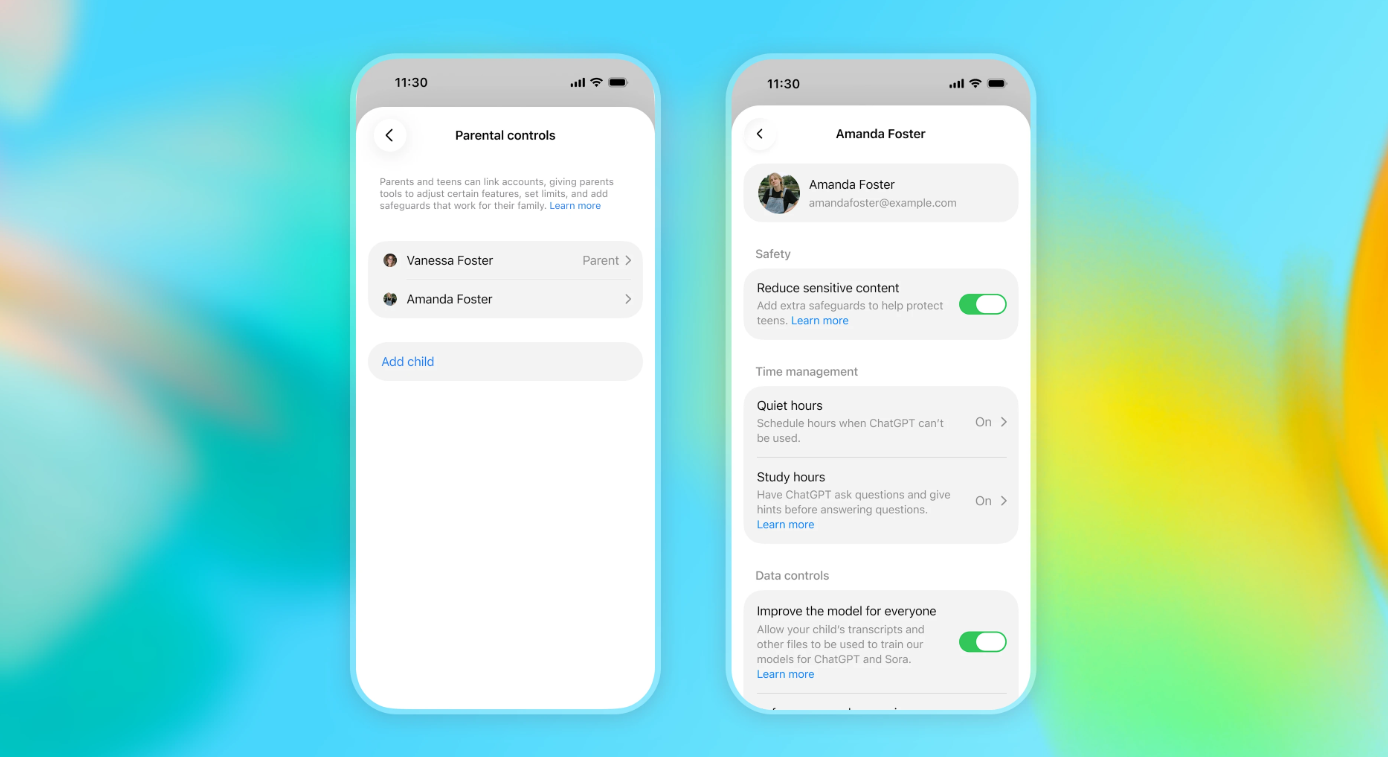
OpenAI Group PBC announced on August 18, 2026, the rollout of ChatGPT for Teens, a stricter version of its ChatGPT chatbot designed for users aged 13-17. The new offering adds guardrails against sensitive topics and gives parents tools to monitor how their children use the AI. The announcement, updated at 21:43 EDT, arrives as the company faces lawsuits and growing scrutiny over how younger users interact with generative AI.
A Version Built for Younger Users
ChatGPT for Teens is aimed squarely at children aged 13-17. OpenAI says the teen version includes guardrails to prevent conversations on violence, self-harm, sex, and mental disorders. If a child attempts a restricted topic, the bot can alert parents, but only if parental controls are enabled.
The company asks users to state their age at signup, yet it does not use an age-verification tool. Instead, OpenAI claims it analyzes user inputs to detect age. If the chatbot ascertains the user is young, it automatically switches on teen mode. That approach means the system relies on behavioral signals rather than formal identity checks.
The teen version also includes Study Mode, which offers quizzes and study visualizations based on subjects. Parents can use a feature called Study Hours to see how long their child studies. These tools are designed to make the product useful for schoolwork while keeping an eye on usage patterns.
Guardrails and Healthy Habits
OpenAI designed the teen product with protections that go beyond content filtering. The company says the chatbot includes break reminders that encourage teens to step away from the screen. Product cues consistently identify ChatGPT as AI, so younger users are reminded they are talking to a machine, not a person.
In a press release, OpenAI stated, "Teens should be able to use AI to learn, create, and explore," adding, "But that access should come with protections that reflect their developmental stage, reinforce real-world relationships, and support healthy use over time."
The company also said, "We designed ChatGPT for Teens to support real-world relationships and healthy habits, with break reminders that encourage teens to step away, and product cues that consistently identify ChatGPT as AI."
These features respond to a well-publicized concern: people can form unhealthy attachments to AI. Studies cited in the coverage claim that up to 70% of young users turn to chatbots for companionship. That figure underscores why OpenAI is paying attention to how teens bond with conversational agents.
Legal Pressure and Emotional Overreliance
OpenAI is fighting lawsuits alleging its chatbot gave unsafe advice. The company is also studying what it calls emotional overreliance on AI, with a particular emphasis on young users. CEO Sam Altman has said OpenAI is examining this issue closely.
The article notes that teenagers' brains may be more vulnerable to acting on bad advice or believing synthetic media is conscious. That vulnerability makes the teen version's guardrails more than a marketing feature. They are a direct response to real risks identified by researchers and critics.
Stay ahead of the AI curve
The most important updates, news, and content — delivered weekly.
No spam. Unsubscribe anytime.
The timing matters. OpenAI faces mounting losses and reports suggest it is falling behind Anthropic in revenue growth. Cybersecurity concerns have also prompted the company to pause some AI training runs. The teen rollout is one way OpenAI is trying to show responsibility while expanding its user base.
A Competitive Field and What Parents Should Know
The launch comes amid intense competition in the AI sector. Related coverage in the same article highlights several developments. Velaura AI, an AI chip startup, raised $110 million. Etched, an inference chip startup, raised $700 million at a $21 billion valuation. Google announced an aviation partnership. Fortinet acquired Virtue AI.
These stories paint a picture of an industry moving fast on multiple fronts. OpenAI's teen product is one piece of a larger puzzle that includes hardware, security, and enterprise deals. The company is not operating in isolation, and its competitors are pushing hard on both technology and business models.
For parents, the key takeaway is that ChatGPT for Teens is not a toy. It is a productivity tool with guardrails, but those guardrails depend on how the system detects age and whether parental controls are enabled. The automatic switch to teen mode relies on analysis of user inputs, which means the system must guess a user's age from behavior.
Study Hours gives parents a window into how long their child studies, but it does not reveal the content of conversations. The alert system for restricted topics only works if parents have turned on the feature. OpenAI is asking families to take an active role in configuring these protections.
The company's approach reflects a broader debate about how AI companies should handle minors. Some advocates want stricter verification, while others worry about privacy. OpenAI has chosen a middle path: behavioral detection plus optional parental oversight.
The Road Ahead
OpenAI's teen rollout is a significant step, but questions remain. Will the age detection work reliably? Can the guardrails keep pace with new ways teens might try to bypass them? And will the company's study of emotional overreliance lead to further changes?
The lawsuits over unsafe advice are not going away. The scrutiny over generative AI misuse by younger users is unlikely to fade. OpenAI is betting that a dedicated teen product with visible protections will help it navigate these challenges.
For now, the company is positioning ChatGPT for Teens as a responsible option for families. Whether it holds up under real-world use is another matter. The rollout begins now, and the results will shape how AI companies approach young users for years to come.