
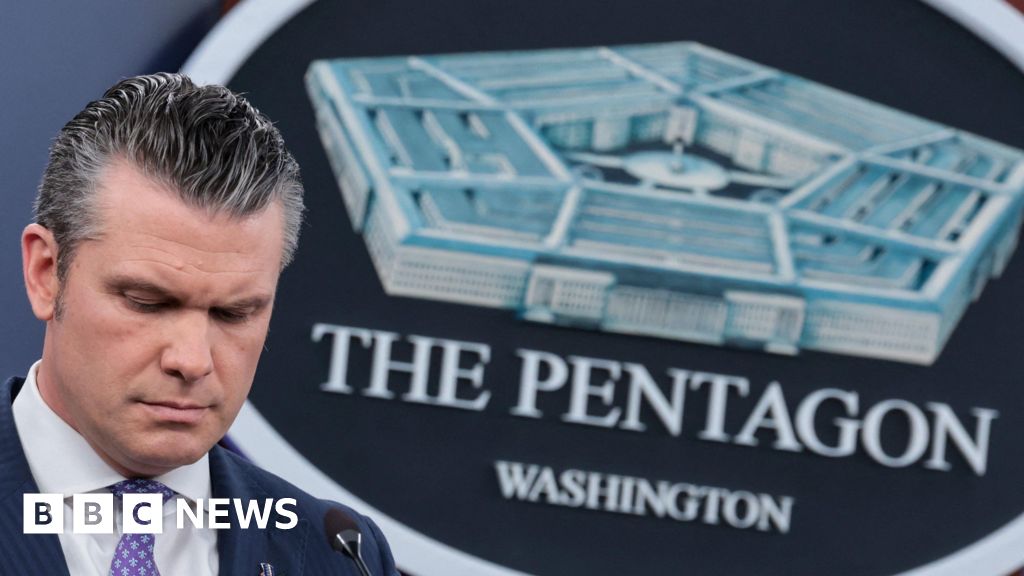
Pentagon: US Military to Become AI-First Force
The US Defense Department plans to expand artificial intelligence adoption after securing eight new contracts with leading technology companies. Officials stated these pacts with Google, OpenAI, Amazon, Microsoft, SpaceX, Oracle, Nvidia, and startup Reflection allow AI for any lawful operational needs. The move supports turning the military into an AI-first fighting force.
"These agreements accelerate the transformation [of] the US military as an AI-first fighting force," the Pentagon announced.
New Deals and Vendor Diversity
One notable omission from the list is Anthropic. The company expressed worries about potential military and domestic uses of its technology. Anthropic now faces the government in court over claims of retaliation for rejecting broad "any lawful use" terms in a proposed contract.
Pentagon officials on Friday highlighted how working with multiple firms prevents vendor lock-in and reduces dependence on a single provider. "Access to a diverse suite of AI capabilities from across the resilient American technology stack will give warfighters the tools they need to act with confidence and safeguard the nation against any threat," the department said.
More than a million defense department personnel have accessed the military's AI platform since its launch last year. That system hosts the tools and has reduced task times from months to days for many processes.
Powerful technology plays a growing role in modern conflicts. The Pentagon has invested in AI development for years to stay competitive.
Anthropic's Fallout and Legal Battle
Anthropic's offerings, such as its Claude chatbot, remain in use at various US government and defense agencies. It was the first AI firm approved for classified operations. Tensions rose earlier this year when CEO Dario Amodei voiced public concerns. He warned that advanced AI might enable mass domestic surveillance or fully autonomous weapons by defense entities.
Defense Secretary Pete Hegseth quickly designated Anthropic as a "supply chain risk," barring it from government applications. The company's challenge to this decision heads to court in September.
Stay ahead of the AI curve
The most important updates, news, and content — delivered weekly.
No spam. Unsubscribe anytime.
This dispute has paved the way for closer ties with other AI providers and the government.
OpenAI led the new partnerships, finalizing its deal at the end of February. A spokesperson noted Friday's news as a formal step for that existing agreement. "As we said when we first announced our agreement several months ago, we believe the people defending the United States should have the best tools in the world," the OpenAI representative stated.
Company Roles and Reactions
Google's Gemini chatbot already serves some government functions. These contracts mark its first deployment for classified tasks. Earlier this week, hundreds of Google staff, including many from DeepMind, which builds the company's AI models, wrote to CEO Sundar Pichai. They asked Google to limit deeper government collaborations. A Google spokesperson offered no comment.
SpaceX, parent of Elon Musk's xAI startup formed after buying Twitter, brings its Grok chatbot to the table. Experts view its AI as less advanced than rivals like Anthropic, OpenAI, or Google. SpaceX provided no response to inquiries.
Nvidia contributes its open-source Nemotron model, without hardware. Reflection offers its Reflection 70B model. Neither firm commented.
Amazon Web Services, Microsoft, and Oracle have long supplied cloud infrastructure tailored for secure government online operations. Friday's update extends those services to host more AI models for military applications. The companies did not respond to requests for comment.
These steps build on prior efforts. The Pentagon continues to integrate AI deeply into operations, drawing from established cloud providers and emerging AI specialists. Public knowledge of these firms underscores their scale: OpenAI revolutionized chatbots with ChatGPT; Google leads via DeepMind's research; Microsoft and Amazon dominate cloud with Azure and AWS; Nvidia powers AI training; Oracle serves enterprises; SpaceX advances via Musk's ventures; Reflection represents innovative startups.
Defense Secretary Hegseth pushes for greater AI integration amid evolving threats.