
SoftBank Forms Roze AI to Build Data Centers With Robots, Eyes $100B IPO
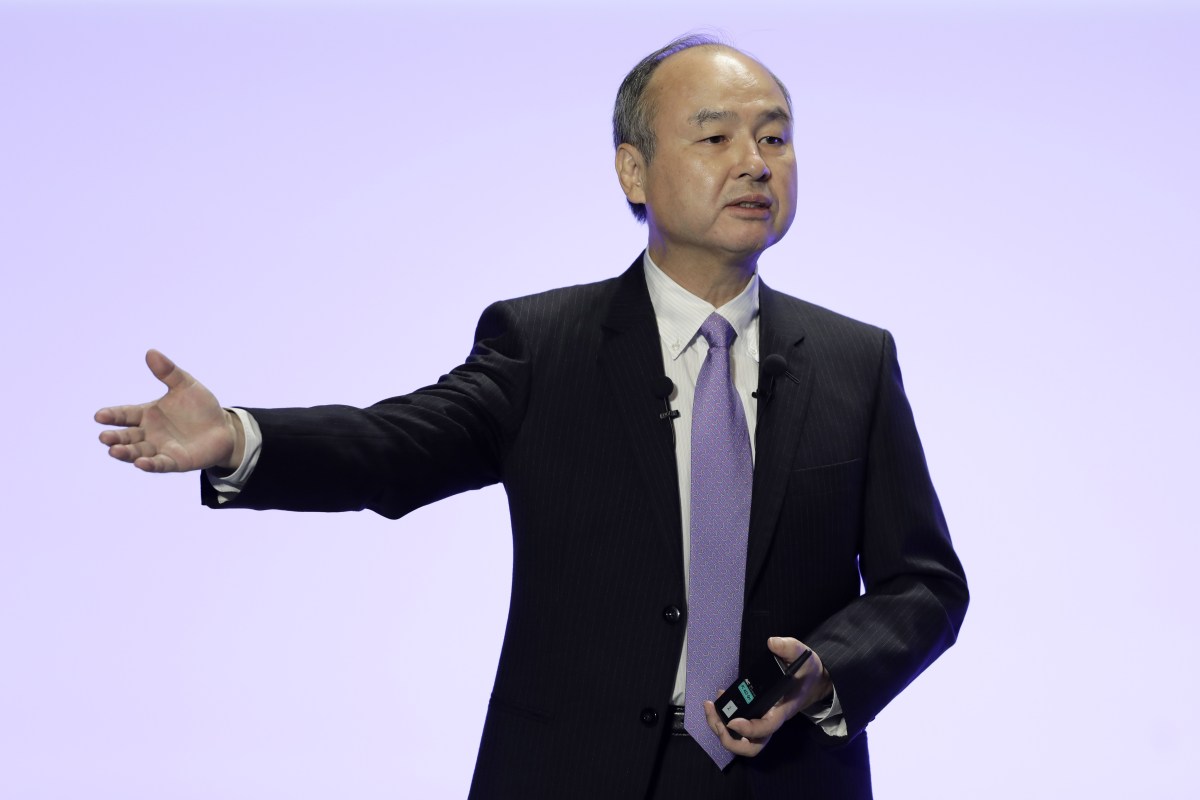
Japanese conglomerate SoftBank intends to establish a fresh enterprise focused on automating data center construction. This move comes as technology firms hurry to expand infrastructure supporting the rise in automation. The new venture, named Roze AI, will deploy autonomous robots to construct server facilities in the United States.
Roze AI's Focus on Efficiency
Roze AI aims to improve data center building processes. Reports indicate the company will use robots, among other methods, to speed up server farm development. The Financial Times first disclosed the creation of Roze AI. The Wall Street Journal added details on its goal to make U.S. data center construction more efficient.
SoftBank Group Corp., led by CEO Masayoshi Son since its founding in 1981, has long invested in technology and telecom sectors. The firm manages the Vision Fund, which has poured tens of billions into startups worldwide. Data centers have become critical as demand surges for computing power to run AI models and cloud services.
Rapid Path to Public Markets
SoftBank executives are preparing Roze AI for an initial public offering. They hope to list the company in the second half of 2026, according to the Journal. The Financial Times reported a target valuation of $100 billion. TechCrunch contacted SoftBank for comment but received no response at the time of publication.
This aggressive timeline draws internal questions. Some SoftBank staff doubt the $100 billion figure and the quick IPO schedule, the FT noted. Such high valuations reflect investor enthusiasm for AI-related infrastructure amid a global race to build capacity.
Stay ahead of the AI curve
The most important updates, news, and content — delivered weekly.
No spam. Unsubscribe anytime.
SoftBank's History with Bold Bets
SoftBank has a record of funding unconventional tech projects. In one case, it invested hundreds of millions of dollars in Zume, a startup using AI for pizza delivery. Zume shut down in 2023 after failing to scale. Despite such setbacks, SoftBank continues pursuing ambitious plays in automation.
The conglomerate also holds stakes in robotics pioneers like Boston Dynamics, acquired through its investments. Masayoshi Son has championed robots and AI for years, predicting they will transform industries.
Broader Trends in AI Automation
Other efforts mirror SoftBank's push. Jeff Bezos, founder of Amazon, co-founded Project Prometheus. That startup acquires companies in key industrial areas and updates them with AI. Bezos stepped down as Amazon CEO in 2021 but remains executive chairman.
Amazon itself ramps up data center spending to fuel its cloud division, AWS. Such investments highlight how AI drives demand for physical infrastructure. Robotics firms target construction, manufacturing, and logistics to cut costs and boost speed.
Roze AI enters a competitive field where firms like Figure AI and Agility Robotics develop humanoid robots for factories and warehouses. SoftBank's plan positions it directly in data center growth, a sector projected to expand rapidly through the decade.
TechCrunch published this story on April 29, 2026, from San Francisco.