
US to Test New AI Models from Google, Microsoft, xAI
The US Department of Commerce plans to assess new artificial intelligence models from Google, Microsoft, and xAI prior to their public launch. These companies have committed to sending their AI systems voluntarily to the Commerce's Center for AI Standards and Innovation, known as CAISI.
This arrangement extends previous deals made by firms such as OpenAI and Anthropic under the Biden Administration. The reviews will examine the models' abilities and security features.
Details of the Voluntary Agreements
CAISI Director Chris Fall stated that these broader partnerships with industry allow the center to expand its efforts in the public interest during a key period. The assessments will include testing, joint research, and creation of best practices for commercial AI systems.
CAISI announced on Tuesday that it has already completed 40 evaluations of AI tools. These involved checks on certain advanced models that have not yet been made public. The center did not reveal which specific models were held back from release.
Representatives from Google, Microsoft, and SpaceX, the Elon Musk-led firm that oversees xAI, offered no response to comment requests.
Key AI Products Involved
Google's prominent AI offering comes from its DeepMind unit and is called Gemini. This chatbot appears across Google services and has found use in US defense and military operations.
Microsoft features CoPilot as its main AI tool. xAI offers Grok, a chatbot that faced public criticism over incidents where it removed clothing from images.
Stay ahead of the AI curve
The most important updates, news, and content — delivered weekly.
No spam. Unsubscribe anytime.
Google, founded in 1998, dominates search and cloud computing. Its DeepMind acquisition in 2014 advanced AI research, leading to breakthroughs like AlphaGo. Microsoft, established in 1975, integrates AI deeply into products like Office and Azure. xAI, launched by Elon Musk in 2023, aims to understand the universe through AI, with Grok drawing from Musk's ventures like SpaceX, started in 2002 for space travel.
Context from Prior Testing and Administration Shifts
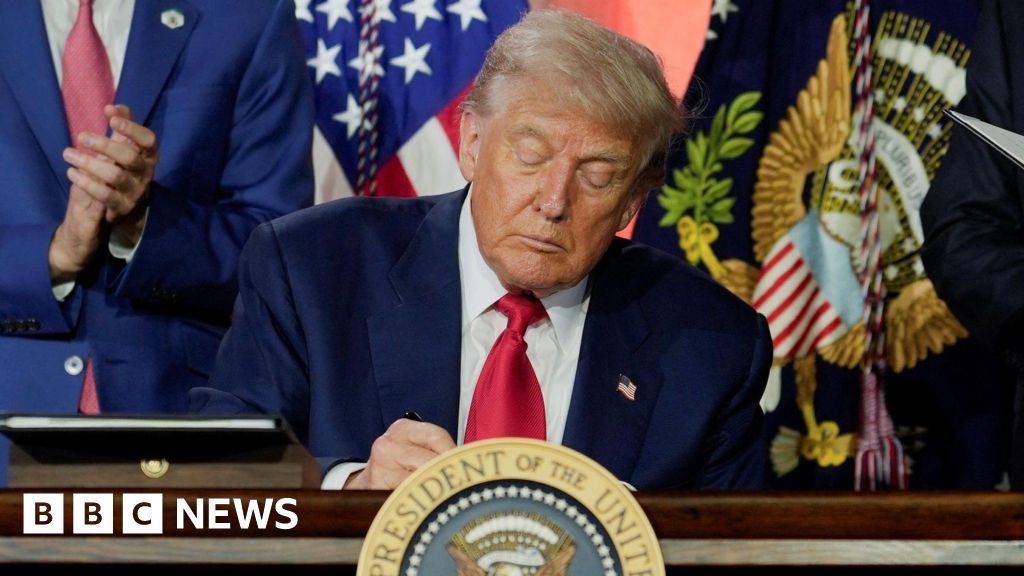
Including more companies in safety checks for commercial AI represents a change for the Trump White House. The administration has generally avoided strict oversight or rules for AI and tech firms.
Last year, President Donald Trump issued several executive orders. These formed the foundation of his "AI Action Plan." Trump described it as a way to cut bureaucracy and heavy rules around AI. He aimed to position the US ahead through progress and dominance in the field.
Recent developments prompted this adjustment. The US military increases its reliance on AI. Anthropic reported creating a model named Mythos, deemed too potent for public access. Senior Trump staff met with Anthropic CEO Dario Amodei last month, as previously covered by the BBC.
Anthropic faces a lawsuit from the US Department of Defense. The dispute centers on the company's refusal to remove safety measures for government applications of its models.
These steps occur as AI adoption grows across sectors. Public and governmental concerns about risks, such as misuse in images or uncontrolled power, drive calls for evaluation. CAISI's role supports standardized approaches without halting innovation.
The partnerships ensure evaluations happen before deployment. This balances advancement with safeguards, reflecting input from defense needs and industry leaders.