
White House Memo Alleges Chinese Firms Steal AI Tech
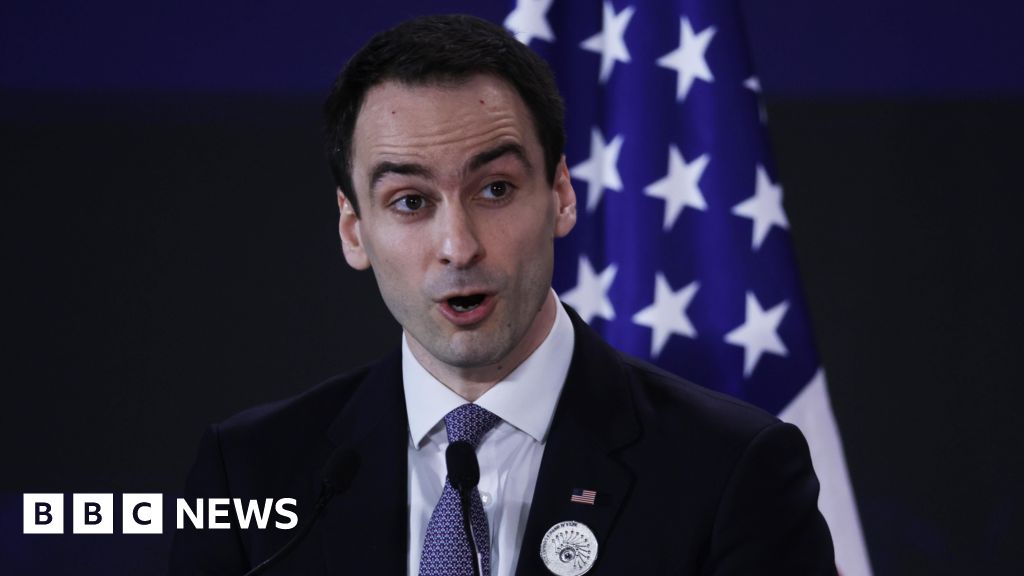
The White House announced plans to partner more tightly with American artificial intelligence companies. The goal is to counter large-scale efforts by outsiders to take cutting-edge AI work. Michael Kratsios serves as Director of Science and Technology Policy. In a memo meant for internal use, he shared fresh details on these threats.
Kratsios pointed to foreign groups, mostly located in China. These groups target US companies to copy their AI systems. The method involves distilling, which lets them replicate technology built by American developers. Kratsios wrote that the purpose is to weaken US innovation efforts and grab private data.
Details on Distillation Campaigns
Distillation happens when companies run thousands of fake user accounts on AI chatbots or tools. This makes their activity look routine. The accounts work together to bypass safety limits or reveal hidden details about the models. They collect that data to train their own AI systems.
Kratsios noted in the memo that detection tools for these operations are improving. He warned that groups relying on such tactics face risks. Their resulting models may lack strength and trustworthiness. "As methods to detect and mitigate industrial-scale distillation grow more sophisticated, foreign entities who build their AI capabilities on such fragile foundations should have little confidence in the integrity and reliability of the models they produce," Kratsios stated.
Michael Kratsios has a background in US technology policy. He previously led efforts in science and tech during earlier administrations. His current role focuses on guiding national strategies for emerging technologies like AI. The US government has long raised alarms about intellectual property risks in AI. Officials often highlight vulnerabilities from state-backed actors abroad.
White House Action Plan
To stop these threats, the White House outlined four steps. First, it will pass along details to US AI firms about the methods used and the groups behind them. Second, officials aim to improve teamwork with those companies against the attacks. Third, they plan to craft guidelines for spotting, blocking, and fixing these issues. Fourth, the administration will look into ways to make foreign actors answer for distillation activities.
The memo left out concrete steps for dealing with specific offenders. A White House press officer refused to say more than what the document covers.
Stay ahead of the AI curve
The most important updates, news, and content — delivered weekly.
No spam. Unsubscribe anytime.
China's Response
A spokesperson from China's embassy in Washington DC pushed back hard. The official called out what they see as unfair limits on Chinese businesses by the US. "China is not only the world's factory but is also becoming the world's innovation lab," the representative said. They stressed that China's progress comes from hard work at home plus partnerships around the globe that help everyone. A representative of China's US embassy in Washington DC said its development was "the result of its own dedication and effort as well as international cooperation".
In a follow-up, the embassy repeated concerns over "the unjustified suppression of Chinese companies by the US". They added that China's growth brings shared gains through worldwide teamwork.
This memo arrives as competition heats up between the US and China in AI. American firms lead in many large language models and foundational tech. China invests heavily in its own systems while facing US limits on chips and software exports. Public reports often discuss jailbreaking attempts on tools from companies like OpenAI and Anthropic. These incidents fuel wider debates on AI safety and global standards.
Kratsios emphasized the need to protect US advantages. The four-point plan seeks to build stronger defenses without naming targets yet.
Broader Context
AI distillation draws from standard machine learning practices. Experts use queries on powerful models to create smaller, efficient versions. When done at scale with hidden motives, it crosses into theft territory. US policymakers view this as part of larger patterns in cyber operations targeting tech secrets.
The White House push reflects priorities in national security. Leaders stress keeping America ahead in AI amid global races. China's embassy frames its advances as legitimate self-reliance.