
Hermes Agent iMessage Integration: Setup, Workflows, and Best Practices
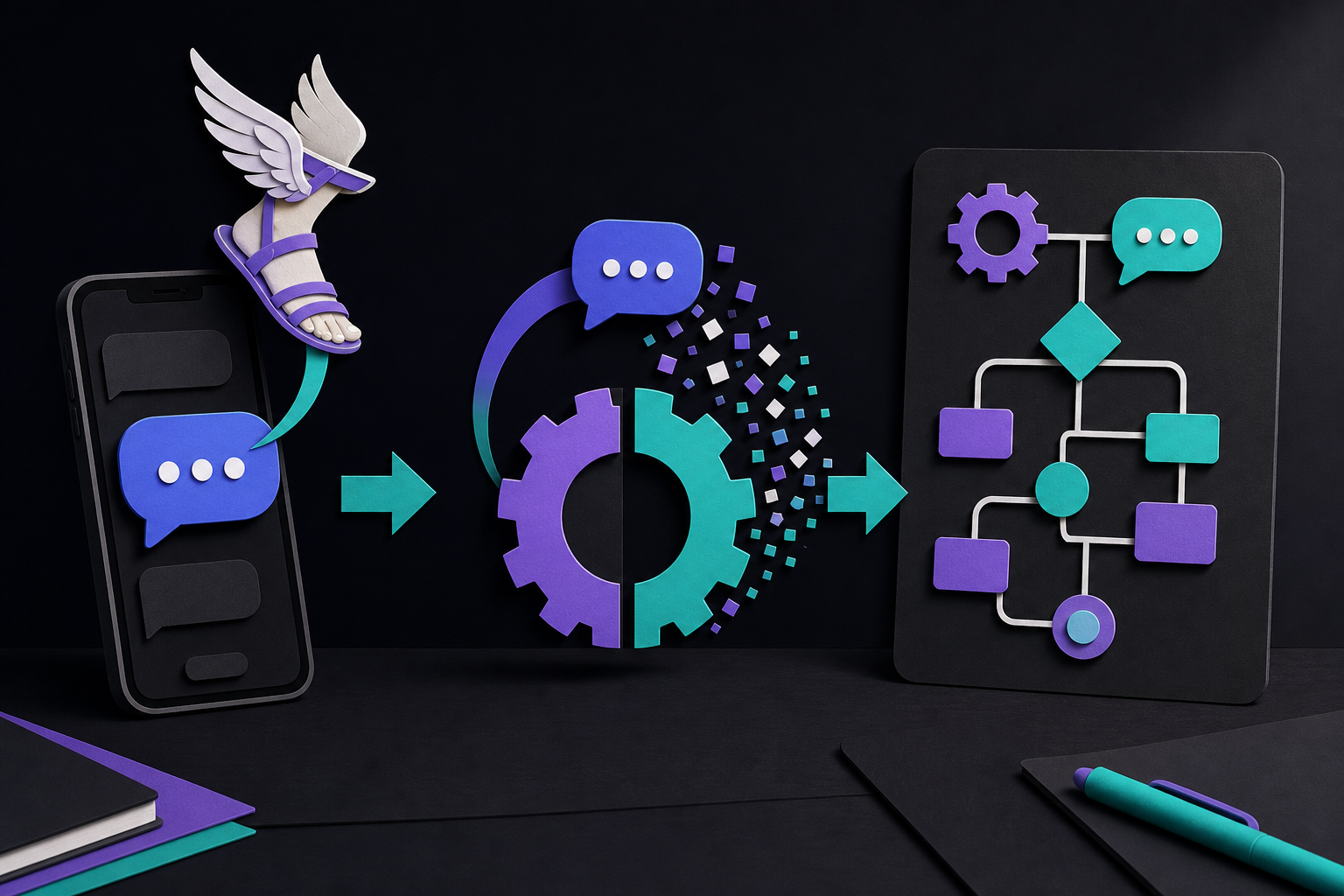
This guide explains how to connect Hermes Agent to iMessage, turning your Apple Messages app into a control surface for AI-driven workflows. It covers the full setup path, safe rollout patterns, common use cases, and troubleshooting. This is for anyone who wants to send prompts, receive reports, or run approvals from iMessage without opening a terminal.
What You Need
Before starting, you need the following items, all drawn from the official Hermes Agent documentation:
- Hermes Agent installed and configured. The iMessage integration is a gateway adapter, so Hermes itself must be running on a machine you control or via the managed cloud option. The documentation mentions that you can "skip the setup" and "deploy in 60 seconds" with managed cloud, which includes API costs and no gateway maintenance.
- An iMessage bot/app/account. This is the Apple-side entity that Hermes will use to send and receive messages. The documentation does not specify how to create this (e.g., using an Apple Developer account, a third-party service, or a dedicated Apple ID), but it states you must "create or configure the iMessage bot/app/account required by the platform."
- Credentials for that bot/app/account. These must be stored in the active Hermes profile environment, not in source control or a shared note. The documentation is explicit: "Store the token or credentials in the active Hermes profile, not in source control or a shared note."
- A Hermes profile configured. The gateway uses the active Hermes profile to determine which tools, skills, and MCP servers are available. You need to have at least one profile set up before running the gateway setup command.
- A test contact or room. You need a single trusted iMessage contact (yourself) or a private test room to run the initial smoke test. The documentation stresses starting private first.
Understanding the iMessage Gateway
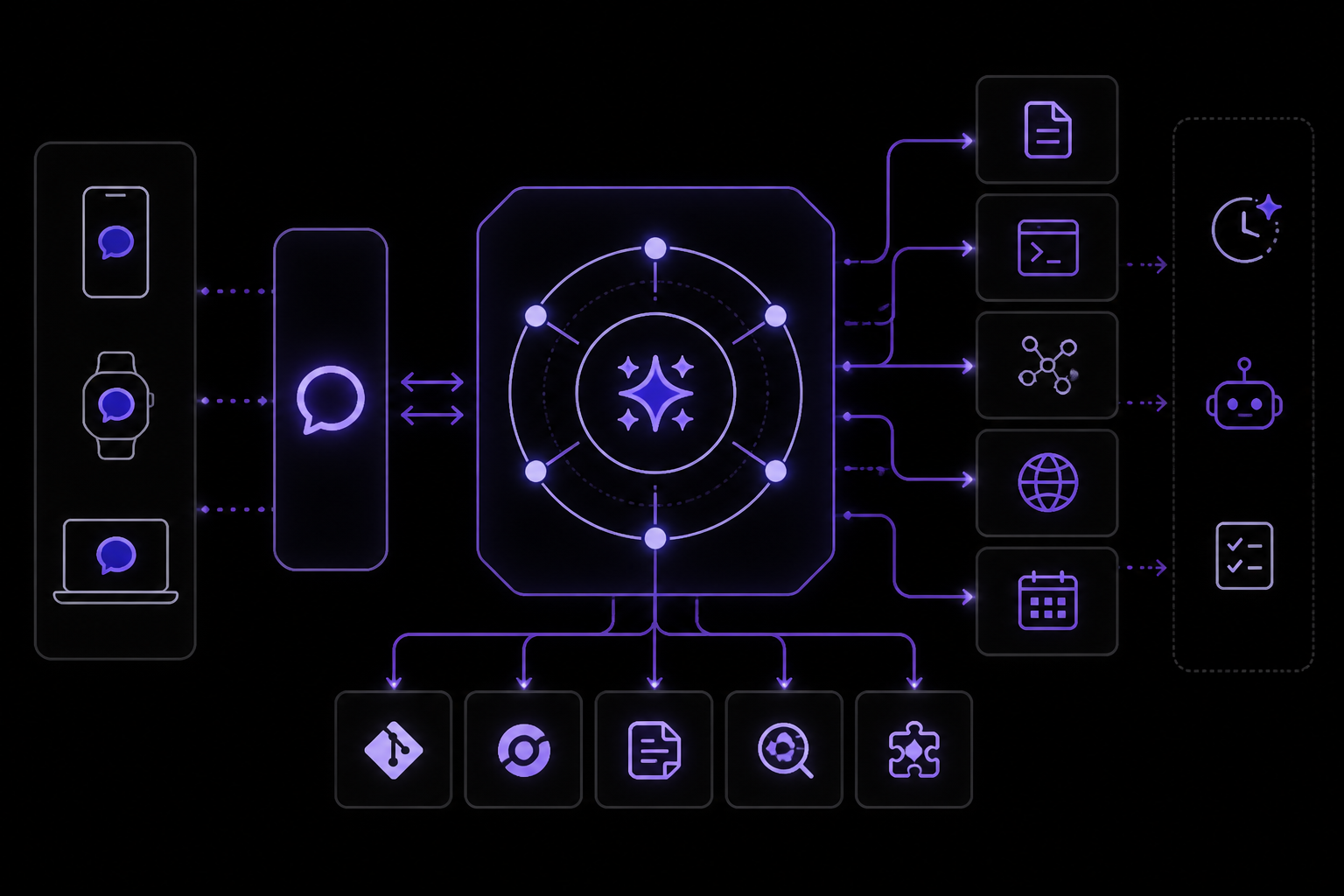
The iMessage integration is a messaging gateway, not a full automation system. The documentation states: "iMessage should be treated as a human-facing gateway, not the whole automation system." This means iMessage is the input/output channel, but Hermes still does the heavy lifting using its full toolset: files, terminal tools, MCP servers, web search, cron history, GitHub, Linear, Notion, and project-specific skills.
What iMessage Is Good For
The documentation lists several scenarios where iMessage shines as a gateway:
- Ask for a status summary without opening a terminal. You can send a message like "What is the current server status?" and Hermes will use its tools to check and reply.
- Send an incident, support, or operations request from the chat app your team already uses. Instead of SSHing into a machine or opening a dashboard, you can report an issue directly from iMessage.
- Receive cron reports, deployment notes, research summaries, or approval prompts in a familiar channel. Hermes can push scheduled reports or alerts to your iMessage chat.
- Keep sensitive tools scoped to trusted chats and profiles. You can restrict which tools are available in iMessage versus the CLI, reducing risk from accidental or malicious prompts.
Features of the Integration
According to the official documentation, the iMessage gateway provides:
- iMessage gateway access for chat-based Hermes requests. This is the core feature: you can send prompts and get responses.
- Allowlisted users, rooms, groups, or contacts before broader rollout. You control exactly who can interact with the bot.
- Tool-backed answers using the same Hermes skills and MCP servers available from the CLI. The same tools work in chat.
- Delivery target for cron reports, incident summaries, approval prompts, and project updates. Hermes can send messages to iMessage as a destination.
- Profile and credential boundaries so each channel can be scoped to the right trust level. Different iMessage chats can use different Hermes profiles with different tool sets.
- Private smoke-test flow before enabling production rooms or free-response behavior. You must test with a harmless request before opening up to groups or allowing tool use.
Setup Path: Step by Step
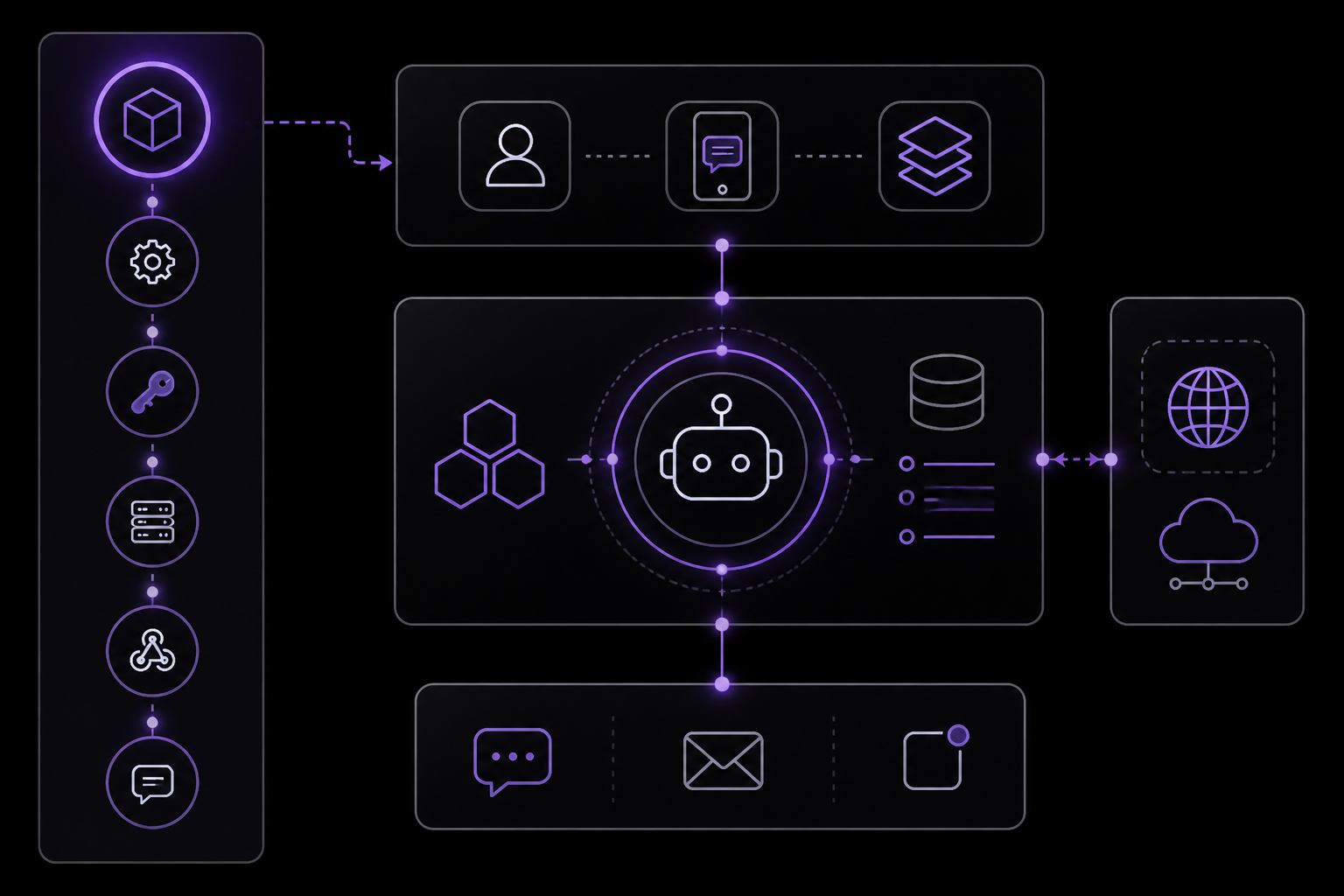
The official documentation provides a six-step setup path. Each step is explained below with practical context.
Step 1: Create or Configure the iMessage Bot/App/Account
This is the Apple-side account that Hermes will use. The documentation does not detail how to create this, but common approaches include:
- Using a dedicated Apple ID for the bot.
- Using a third-party service that provides an iMessage API (though the documentation does not name any).
- Using an Apple Developer account to create a Messages app or sticker pack that can receive messages.
Regardless of the method, you need the resulting credentials (token, password, or API key) ready for the next step.
Step 2: Store Credentials in the Active Hermes Profile
Do not put credentials in source control, a shared note, or a config file that might be committed. The documentation says: "Store the token or credentials in the active Hermes profile, not in source control or a shared note." This likely means using Hermes's built-in secrets management or environment variables within the profile configuration.
Step 3: Run hermes gateway setup and Enable the Platform Adapter
This command initializes the gateway for your Hermes instance. The documentation says to "enable only the platform you are testing." If you have multiple gateway platforms (Telegram, WhatsApp, Signal, etc.), disable all except iMessage for now. This reduces complexity during the initial test.
Step 4: Restrict Allowed Users, Rooms, Groups, or Contacts Before the First Test
Before sending any message, configure the allowlist. The documentation says: "Allowlist one private user or test room before adding team-wide rooms." This is critical for security. If you skip this, anyone who knows your bot's contact could send prompts.
Step 5: Restart the Gateway and Send One Harmless Private Test Message
After configuring the allowlist, restart the gateway (the documentation does not specify the exact command, but hermes gateway restart or similar is implied). Then send a harmless prompt from the allowlisted contact. The documentation suggests: "reply with the active profile and enabled platform name." This confirms the gateway is running, the platform is enabled, and the allowlist is working.
Step 6: Only After the Smoke Test, Connect Project Skills, Cron Reports, MCP Tools, or Team Rooms
Once the smoke test passes, you can gradually add capabilities. The documentation warns: "Do not start with file edits, deploys, purchases, or external sends." Add one feature at a time, testing each.
Safe Setup Pattern: Private First, Group Later
The documentation is emphatic about a safe rollout pattern: "The safest rollout is always private first, group later." The recommended sequence is:
- Configure credentials and restrict who can talk to the bot.
- Run
hermes gateway setupand enable only the platform you are testing. - Allowlist one private user or test room before adding team-wide rooms.
- Send a harmless prompt such as "reply with the active profile and enabled platform name."
- After the smoke test, decide whether the channel can use tools, cron reports, file access, or project-specific skills.
This pattern prevents accidental exposure of powerful tools to untrusted users or group chats where context might be misinterpreted.
Common Workflows
Once the gateway is stable, iMessage becomes a convenient control surface. The documentation lists four common workflows:
Incident Triage
Summarize an alert, inspect logs or dashboards, and post next actions back to chat. For example, you could send: "Check the error rate on production server X and suggest next steps." Hermes would use its tools to query logs, analyze the error rate, and reply with a summary and recommended actions.
Project Updates
Ask Hermes what changed in GitHub, Linear, or Notion and receive a concise report. A prompt like "What issues were updated in the last 24 hours?" would trigger Hermes to query those services and return a formatted summary.
Approvals
Let Hermes draft the action and ask for confirmation before sending, deploying, or editing anything sensitive. For example, Hermes might send: "I found a security vulnerability in the auth module. Shall I create a Linear ticket and assign it to the security team? Reply 'yes' to proceed." This keeps a human in the loop for sensitive actions.
Knowledge Capture
Turn a chat thread into a task, document, issue, or reusable skill. You could say: "Save this conversation as a new skill called 'deploy checklist' and add it to the project profile." Hermes would parse the chat, create the skill, and confirm.
Advanced Details: Tool Scoping and Profile Boundaries
The documentation mentions that "profile and credential boundaries" allow each channel to be scoped to the right trust level. This means you can have different iMessage chats using different Hermes profiles. For example:
- A private chat with yourself uses a profile that has full access to all tools.
- A team group chat uses a profile that only has read-only tools (status checks, log queries) and requires approval for any write actions.
- A public channel uses a profile with no tool access, only basic Q&A.
This is configured by associating each iMessage contact or room with a specific Hermes profile during the gateway setup. The documentation does not provide the exact configuration syntax, but it implies that the gateway can route messages based on the sender or room.
Troubleshooting
The official documentation lists several common setup issues and their likely causes:
No Response in iMessage
If the bot does not reply, check three things:
- Confirm the gateway is running. Run
hermes gateway statusor similar to verify. - Confirm the platform is enabled. The
hermes gateway setupcommand may have a list of enabled platforms. - Confirm the chat/contact is allowlisted. If you added the contact after the gateway started, you may need to restart the gateway.
The Bot Replies in DM but Not in a Group
This indicates a permission issue with group chats. Check:
- Group permissions: The allowlist may need to include the group ID, not just individual members.
- Mention/free-response settings: Some gateways require the bot to be mentioned (@bot) before it responds. The documentation says to check "mention/free-response settings."
- Whether the gateway received the group update: If the group was created after the gateway started, the gateway may not know about it. Restarting the gateway may help.
The Wrong Profile or Tools Are Active
If Hermes is using the wrong toolset or profile, verify:
- The Hermes profile running the gateway. The gateway uses the active profile at the time it was started.
- Keep project-specific secrets in the correct profile. If you have multiple profiles, ensure the iMessage channel is mapped to the right one.
Messages Are Too Long or Poorly Formatted
iMessage has message length limits. The documentation advises:
- Use concise prompts.
- Route long reports to email, docs, or a file when the platform has tight message limits. Hermes can send a short summary with a link to the full report.
FAQ
The documentation includes a FAQ section that addresses common questions:
Can Hermes Run from iMessage?
Yes. iMessage can be used as a Hermes messaging gateway when the platform adapter is configured and the gateway is running.
Should I Enable This in a Group Immediately?
No. Start with a private or allowlisted test, verify behavior, then add group access only when permissions and response rules are clear.
Can the Chat Gateway Use the Same Tools as the CLI?
It can use enabled Hermes tools, skills, and MCP servers for that profile. Scope tool access carefully because chat channels often have different trust levels than your terminal.
What Is the Safest First Test?
Ask for a harmless status reply that confirms the active profile and platform. Do not start with file edits, deploys, purchases, or external sends.
Going Further
Once the iMessage gateway is working, the documentation suggests exploring these next steps:
- Messaging setup overview: Review the general Hermes gateway setup guide to understand how multiple platforms work together.
- Pricing and managed cloud: Consider using managed hosting when uptime and mobile access matter more than maintaining a gateway server.
- Webhooks: Trigger agent runs from external systems instead of a human chat message. This allows you to automate responses to events from other services.
- Other integrations: The documentation lists Telegram, Discord, Slack, WhatsApp, and Signal as related setup guides. You can connect Hermes to multiple chat platforms simultaneously.
The documentation also mentions that you can "keep building the workflow" by connecting project skills, cron reports, MCP tools, or team rooms after the smoke test passes.
The #1 AI Newsletter
The most important ai updates, guides, and fixes — one weekly email.
No spam, unsubscribe anytime. Privacy policy